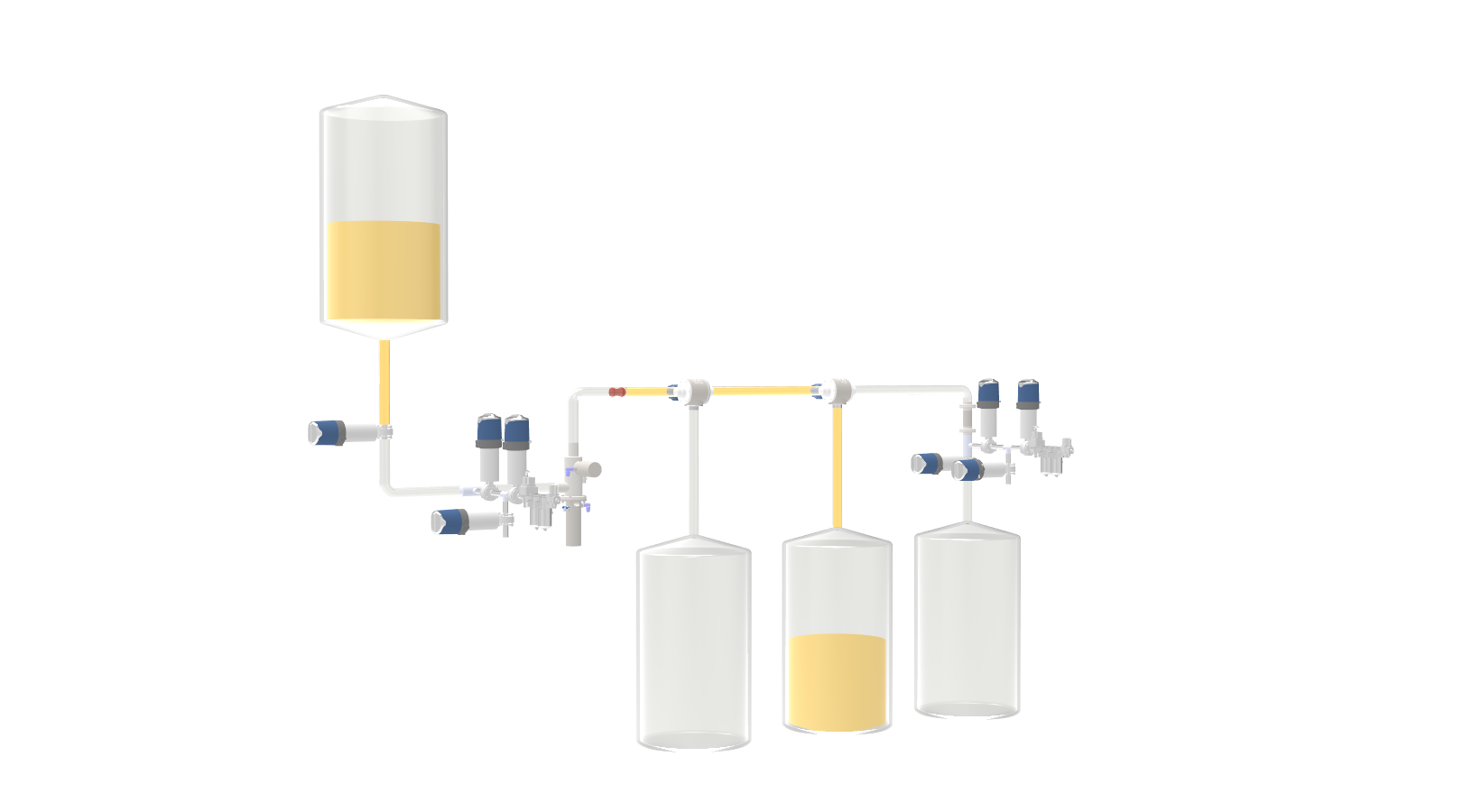
Maximizing channel efficiency demands careful control of Pig speed.
Precise Flow Pig Travel Steering: Specific Realistic Reference
Securing ideal pig speed is crucial for skillful pipeline treatment. Guiding pig advancement correctly requires a all-inclusive familiarity of different factors, comprising pipeline layout, pig composition, and material features. This document presents operational procedures for adjusting pig timing, embracing subjects like start-up pressure, reception pressure, and the influence of pressure at the end. Ultimately, dependable pig speed regulation leads to improved system health and cut working expenses.Parameters Shaping Pigging System Cadence
Multiple essential components control the pace at which a pig travels through a channel. Fluid pressure, both the starting and following, is a weighty influence; a higher pressure differential customarily causes a faster pigging cadence. The internal size of the system also plays a function, with larger diameters granting for increased pig paces. Furthermore, the pig's configuration, including its scope and shape, clearly influences its advancement. Finally, the level of debris and the abrasiveness of the pipe covering can cause hindrance, slowing pigging rate.
Supporting Consistent Pig Rate in Lines
Guaranteeing steady element speed within channel architectures is vital for optimal delivery. Several factors influence material momentum, including network bore, load, and component thickness. Periodic evaluation of medium rate and prompt modification of working configurations are indispensable to avoid buildups and safeguard ideal output.
Controlling Pig Velocity: Vital to Thorough Pipeline Treatment
Skillfully supervising cleaning timing is critically important for ensuring a successful pipeline maintenance. Overly rapid a tempo can weaken the channel, while lethargic a flow may obstruct washing away all dirt. Therefore, detailed optimization of the cleaning device's navigating timing is vital to for channel integrity and clearing productivity.
Such Impression of Pig Momentum on Pipeline Pigging Functions
pipeline pig speed controlThat speed of the apparatus significantly impacts the performance of pipeline cleaning operations. A slower flow may favor for more intensive sediment removal, particularly in convoluted pipeline parts, but can lengthen the overall job stretch and probably increase working outlays. Conversely, a quicker velocity can rush the inspection operation, decreasing duration and spending, however, it exposes a deficient cleaning and can conceivably damage the line. Therefore, calibrating device speed requires attentive inspection of pipeline attributes, compound specifications, and desired effects.
Pigging Structure Pace: Top Standards and Issue Resolution
Maximizing upkeep arrangement speed is fundamental for ensuring functionality and diminishing interruptions. Frequently, suitable handling momentum ranges between multiple units per segment, although this can change depending on duct caliber, liquid category, and pig arrangement. If suffering from slow upkeep pace, take into account factors such as intense impedance from encrustation, degraded unit elements, or bottlenecks within the conduit. Regular preservation, including pig evaluation and dirt clearance, is necessary to maintain steady handling rate and inclusive system functionality.
Appreciating Pipeline Pig Speed and its Outcomes
Such velocity at which a cleaning device traverses a channel is a critical factor impacting operation and reliability. Moving too quickly can produce excessive wear, potentially leading to elevated resource use and even swift impairment of the pig itself, as well as the pipe. Conversely, reduced velocity might trigger incomplete cleaning, long pauses, and a drop in overall capacity. Therefore, scrupulous calculation and reliable monitoring of pig transit rate are important for increasing pipeline output and safeguarding against costly breakdowns.
Cutting-edge Approaches for Pig Rate Governance
Refining farm animals cadence along nutrition presents a significant challenge for today’s ranchers. Employing innovative plans like immediate assessment of specific creature's intake and utilizing accurate diet provision systems can profoundly decrease instances of immoderate eating and elevate overall population success. Furthermore, joining conduct examination with situational control – such as regulating warmth and light levels – provides vital understanding for optimizing pig cadence rules and fostering a more steady maturation cycle.