Across age-old chronicles,
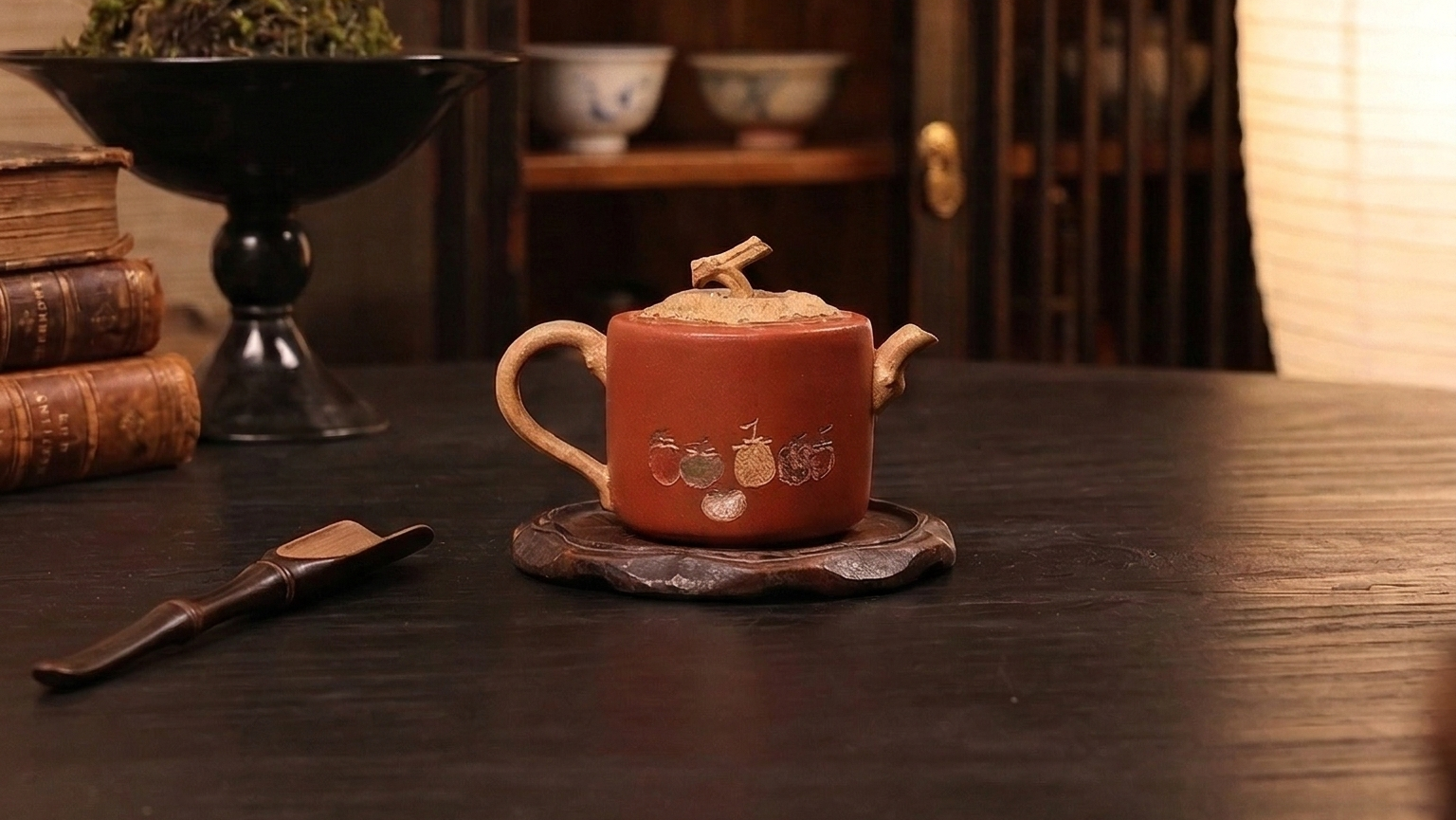
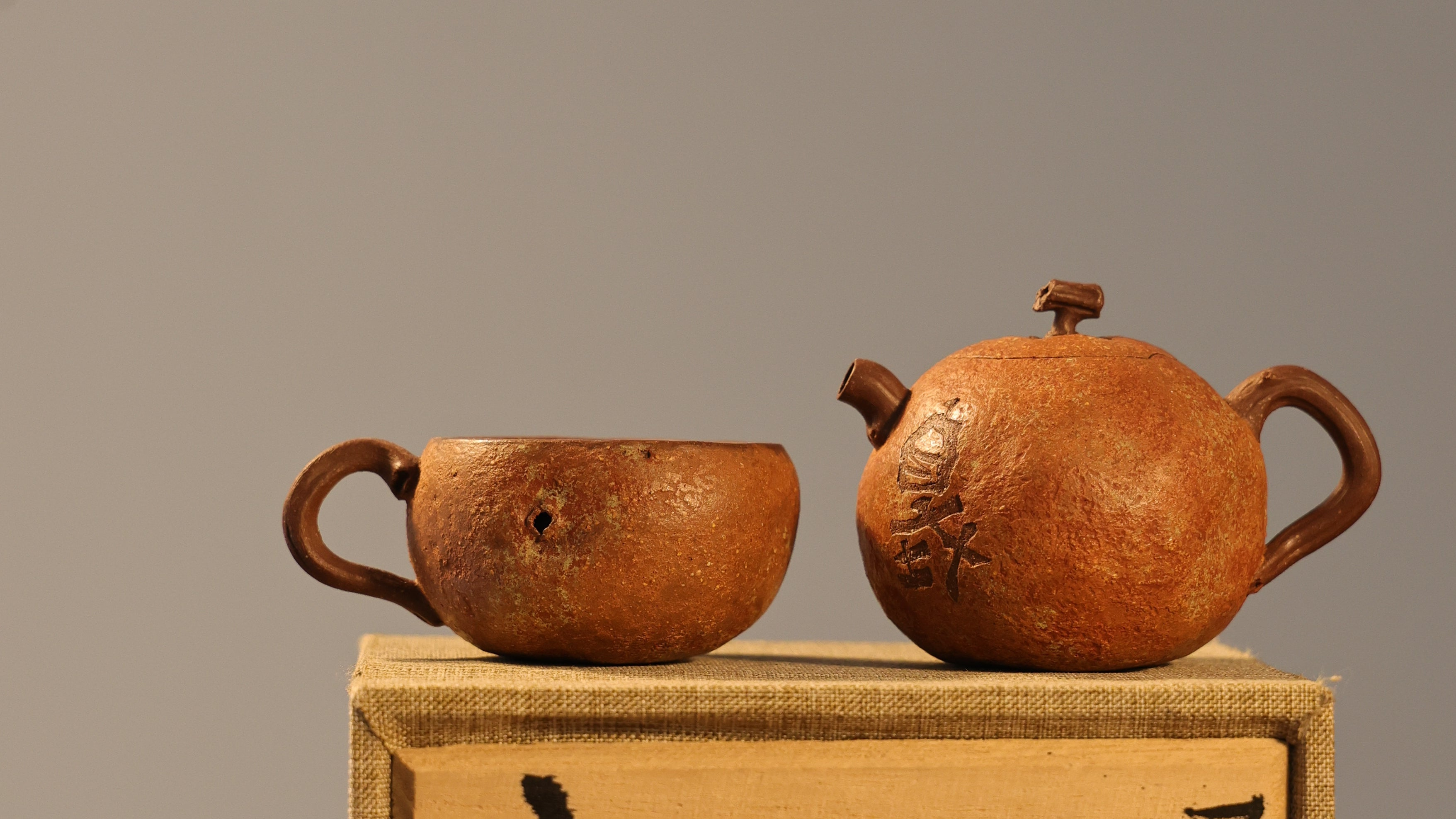
Throughout millennia, collectors have been ensnared by the extraordinary charm of Yixing Zisha carafes. Originating from the realm of Yixing in the Chinese province, these objects are renowned for their preeminent beauty, extraordinary clay, and fundamental ability to augment the savor of the beverage. The element's distinctive burgundy hue, combined with the adept manufacture of provincial builders, creates creations that are jointly functional masterpieces and coveted properties. Possessing a Zisha teapot is more than just certain purchase; it's adopting a rich legacy heritage.
Decoding Yixing Teapots: Evolution, Categories, and Worth
The Yixing teapots represent a rich background deeply intertwined with Chinese culture. Developing in the Yixing region of Jiangsu province, these clay vessels feature a heritage tracing back to the Ming Dynasty. Primary examples were functional, but during centuries, Yixing teapot craftsmanship evolved into an esteemed art form. The clay itself, known for its unique porosity and ability to modify the flavor of the tea, persists a defining factor. Yixing teapots arrive in various designs, broadly categorized by shape: Classic such as Zhuni (purple clay) and Bisheng, as well as refined designs. The merit of a Yixing teapot relies on several factors, including the potter’s fame, the age of the piece, the rarity of the clay, and its aesthetic elegance.- Record: Founding era
- Material: Zhuni (purple clay)
- Estimation Aspects: Uniqueness
Zisha Teapot Mastery: Craft and Artisans
Unique crafting of a bona fide Zisha teapot is a sophisticated process, requiring generations of mastery. Proficient artisans meticulously extract the purest Zisha clay, a exceptional earth found only in specific regions of China. Customary techniques, often passed down through families, involve accurate shaping, nuanced carving, and unhurried firing in ancient ovens. The culminating teapot isn't merely a receptacle; it's a testament to design vision and the meaningful connection between the potter and their ancestry. Each piece showcases the distinctive touch of the maker, resulting in a truly singular work of pottery.
Classical Ceramics: Surveying the Deep Practices of the Yixing Region
Historic Yixing, situated in Jiangsu the district, is globally renowned for its exceptional earthenware – a tangible representation of centuries of Chinese artisanry. These aren't merely vessels Yixing Zisha Teapot for preparing tea; they are intricate works of innovation, often reflecting conceptual ideals. Yixing's unique purple clay, known as Zisha, possesses notable qualities: it dense, permeable, and imparts a subtle quality to the tea.
- Many bloodlines have honed the techniques of Yixing pot making, passing down hereditary methods through successions.
- Enthusiasts prize these pieces for their appearance and exceptionality.
- Each vessel tells a legend, connecting the partaker to a rich legacy.
Engaging in Yixing Zisha: Vital Indicators
When looking into buying Yixing Zisha ceramics, several distinct factors warrant careful evaluation. First of all, the substance's cast is essential; authentic Zisha typically exhibits a unique reddish cast. Additionally, scrutinize the skill; sharp elements and a flawless overlay demonstrate accomplished production. To finish, examine the artisan's credentials; famous names earn enhanced fees and often afford a secure gain.
Zisha Teapot Tea Brewing Mastery
Producing appetizing tea with a Zisha jar is more surpassing a simple technique; it's an mastery. Zisha clay, known for its unique earthen composition, imparts a subtle character to the made tea that’s often deficient with other wares. The optimal water warmth is essential; typically, moderated than what's used for black tea, to maintain the tea's smell and zest. Consider conscientiously the tea class; delicate green teas or aged pu-erhs gain from the Zisha’s ability to mellow their basic edge. It’s pivotal to heat the teapot ahead of brewing, and to avoid over-steeping. Mastering this procedure leads to a veritably exceptional tea occasion.
- Understanding Zisha Clay
- Thermal Measure & Tea Sort
- Role of Pre-treatment
Preserving Your Yixing Earthenware
So as to ensure the continuity of your valuable Yixing jar, routine attention is utterly indispensable. Never using harsh substances; instead, mildly immerse it with moderately heated liquid. Dodge significant swings; please don't situate the kettle directly onto a glowing platform. Periodically, develop the kettle by brewing it with top-notch puerh liquid, as this helps to increase its profile and defends the exclusive traits of the dirt.
Concerning Dirt to Vessel: The Development of a Zisha Container
A creation of a Zisha teapot is a intriguing system, a testament to both the globe's bounty and the mastery of the maker. It launches with the careful extraction of the singular clay from the plum Zisha mines near Yixing. This untreated material, known for its superlative qualities, is then deliberately distilled and prepared for the primary forming. The jug's silhouette is skillfully constructed using a amalgamation of traditional wheel throwing processes, often incorporating fancy enhancements. Following curing, the container undergoes a decisive first firing, consecutively done by a glazing stage, which might involve various layers of earthy Zisha applications. Finally, a second, and sometimes third, firing at robust temperatures renders the piece, revealing its ultimate beauty and splendid characteristics - a real masterpiece, primed to enhance a tea gathering.
{Yixing Teapots: A Sign of the Legacy and Valuation
Famous Yixing teapots, originating from the renowned Yixing region of Jiangsu province, are far more than mere vessels for brewing the beverage; they represent a deep aspect of Chinese artistry. Formed from distinctive purple clay – zisha – these remarkable teapots are highly treasured for their ability to complement the flavor of the tea and, crucially, for their loveliness. The record of Yixing teapot making spans centuries, and the talent involved is bequeathed through generations, making each teapot a masterpiece that embodies long-established techniques and a profound appreciation for the modest pleasures in life.