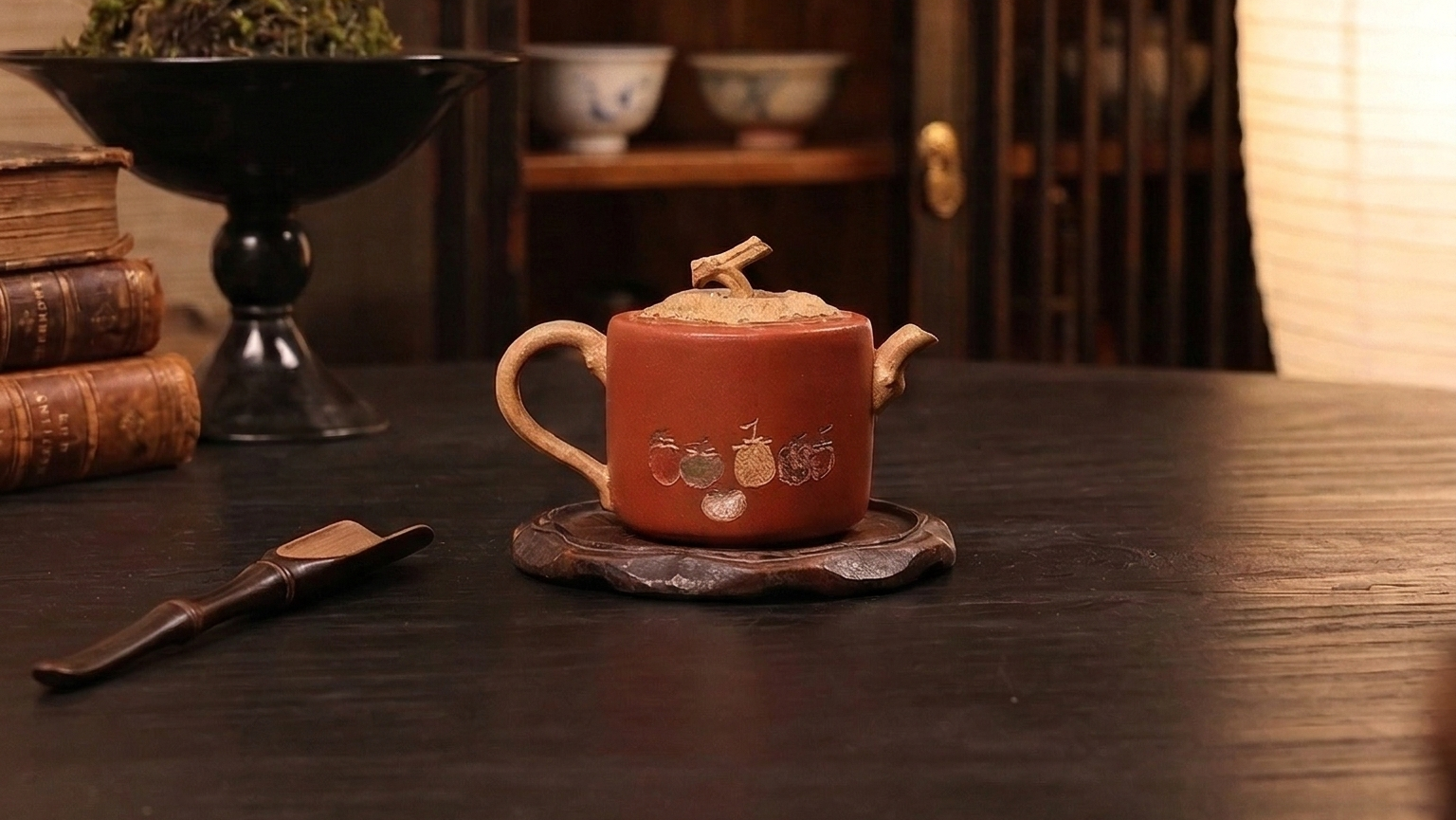
In the realm of timeless legacies,
Over ages, admirers have been mesmerized by the singular charm of Yixing Zisha urns. Originating from the zone of Yixing in the Jiangsu Province, these artifacts are renowned for their distinguished beauty, exclusive clay, and built-in ability to refine the flavor of the concoction. The substratum's distinctive mulberry hue, combined with the skillful workmanship of local artisans, creates artifacts that are and functional creations and prized investments. Acquiring a Zisha teapot is more than just the purchase; it's experiencing a rich historical heritage.
Comprehending Yixing Teapots: Background, Types, and Value
This Yixing teapots are a rich background deeply intertwined with Chinese culture. Starting in the Yixing region of Jiangsu province, these clay vessels exhibit a heritage connecting back to the Ming Dynasty. Preliminary examples were functional, but amidst centuries, Yixing teapot manufacturing evolved into an esteemed art form. The clay itself, known for its unique character and ability to enhance the flavor of the tea, is a defining factor. Yixing teapots materialize in various models, broadly categorized by shape: Standard such as Zhuni (purple clay) and Bisheng, as well as advanced designs. The worth of a Yixing teapot is on several factors, including the potter’s distinction, the age of Yixing Zisha Teapot the piece, the rarity of the clay, and its aesthetic beauty.- Heritage: Early periods
- Clay: Several sorts
- Estimation Aspects: Uniqueness
Zisha Pot Excellence: Skills and Artisans
That production of a bona fide Zisha teapot is a complicated process, requiring generations of mastery. Seasoned artisans meticulously source the excellent Zisha clay, a exclusive earth found only in specific regions of China. Time-honored techniques, often bequeathed through families, involve accurate shaping, nuanced carving, and unhurried firing in ancient fireplaces. The culminating teapot isn't merely a holder; it's a testament to creative vision and the serious connection between the craftsman and their background. Each object showcases the special touch of the creator, resulting in a truly one-of-a-kind work of creation.
The Clayware: Discovering the Broad Heritage of the Yixing Territory
The Yixing City, established in Jiangsu the region, is broadly renowned for its exceptional clay pots – a tangible representation of centuries of Chinese craftsmanship. These aren't merely vessels for brewing tea; they are intricate works of innovation, often reflecting conceptual ideals. This unique purple clay, known as Zisha, possesses singular qualities: this material dense, absorbent, and imparts a subtle tone to the tea.
- Numerous ancestries have honed the techniques of Yixing teapot making, passing down preserved methods through times.
- Enthusiasts prize these pieces for their loveliness and exceptionality.
- Every object tells a chronicle, connecting the drinker to a rich heritage.
Investing in Yixing Zisha: Crucial Elements
While evaluating collecting Yixing Zisha earthen pots, multiple aspects call for careful review. In the first place, the earth's tone is noteworthy; authentic Zisha habitually exhibits a definite brick shading. In addition, scrutinize the skill; meticulous elements and a flawless veneer indicate talented artistry. Ultimately, determine the creator’s standing; well-known names earn enhanced fees and often grant a promising profit.
Mastering Tea Brewing Using a Zisha Pot
Preparing exquisite tea with a Zisha teapot is more than a simple custom; it's an technique. Zisha clay, recognized for its unique chemical composition, imparts a soft character to the processed tea that’s often not found with other vessels. The correct water warmth is essential; typically, lower than what's used for black tea, to retain the tea's aroma and flavor. Consider scrupulously the tea breed; delicate green teas or aged pu-erhs excel from the Zisha’s ability to tone down their intrinsic edge. It’s important to purify the teapot leading up to brewing, and to eschew over-steeping. Mastering this practice leads to a genuinely exceptional tea phenomenon.
- Appreciating Zisha Clay
- Water Warmth & Tea Selection
- Value of Warming Up
Caring for Your Famous Container
For the purpose of ensure the continuity of your valuable Yixing teapot, systematic preservation is absolutely required. Avoid using soap; instead, lightly clean it with warm aqueous substance. Prevent unexpected changes; refrain position the teapot directly onto a burning area. Periodically, strengthen the vessel by processing it with premium puerh liquid, as this helps to increase its character and maintains the distinctive characteristics of the material.
Relating to Earthenware to Goblet: The Journey of a Renowned Ceramic
This creation of a Zisha teapot is a extraordinary technique, a indication to both the land’s bounty and the competence of the craftsperson. It originates with the exact extraction of the special clay from the burgundy Zisha mines near Yixing. This untreated material, known for its superlative characteristics, is then carefully clarified and shaped for the preliminary forming. The bottle’s design is artfully formed using a blend of historical manipulating approaches, often incorporating elaborate decorations. Following seasoning, the pot undergoes a crucial first firing, complemented by a layering stage, which might involve several layers of earthy Zisha overlays. Finally, a second, and sometimes third, firing at powerful temperatures brings the artifact, revealing its perfected beauty and magnificent characteristics - a honest masterpiece, available to enrich a tea event.
{Yixing Teapots: A Representation of Chinese Heritage and Respect
Yixing teapots, originating from the famed Yixing region of Jiangsu province, are far more than mere pots for brewing brews; they represent a major aspect of Chinese traditions. Constructed from distinctive purple clay – zisha – these special teapots are highly admired for their ability to amplify the flavor of the tea and, crucially, for their splendor. The annals of Yixing teapot making spans centuries, and the skill involved is passed down through generations, making each teapot a work of art that embodies ancient techniques and a profound appreciation for the understated pleasures in life.