Across the expanse of historic epochs,
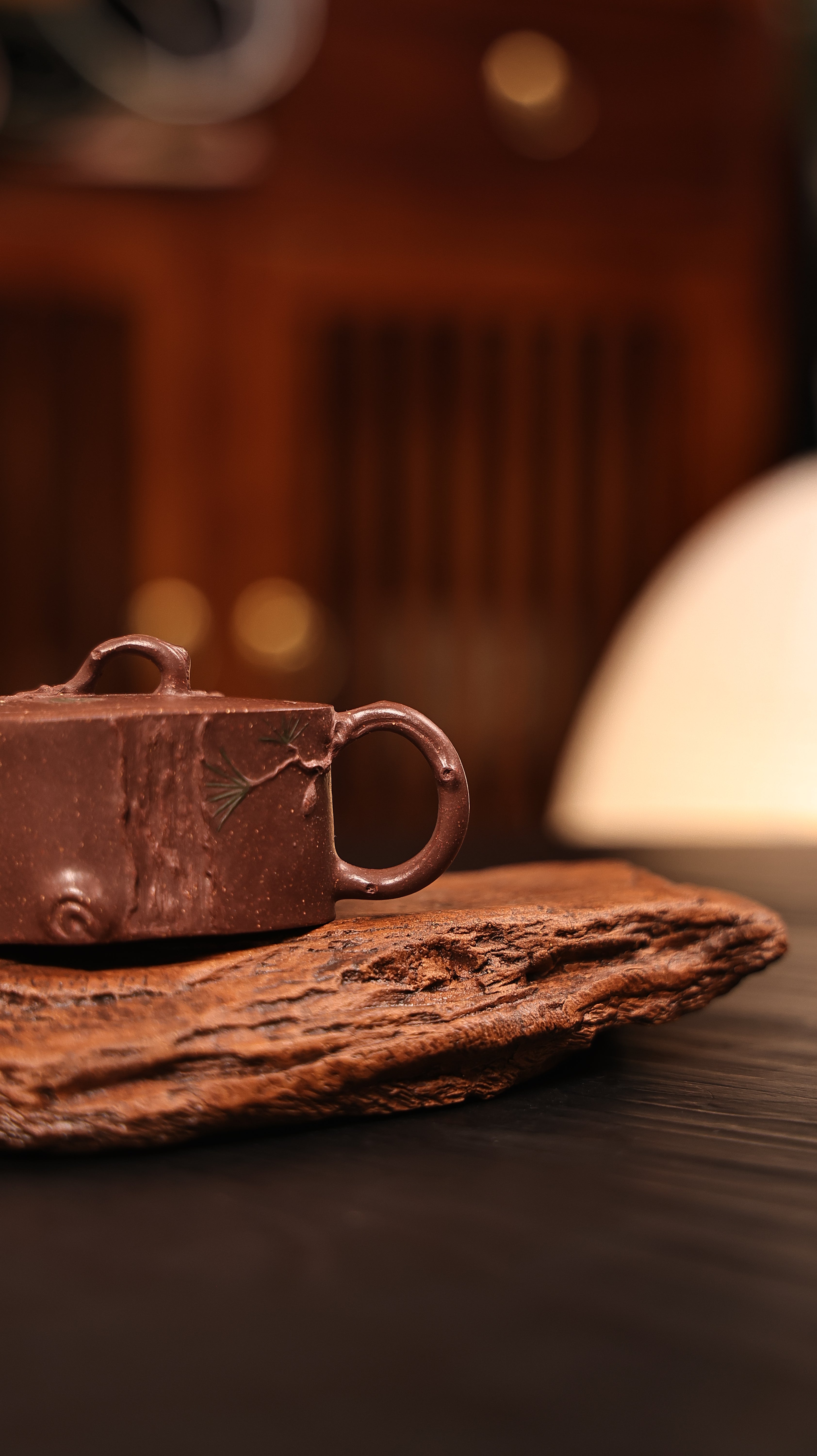
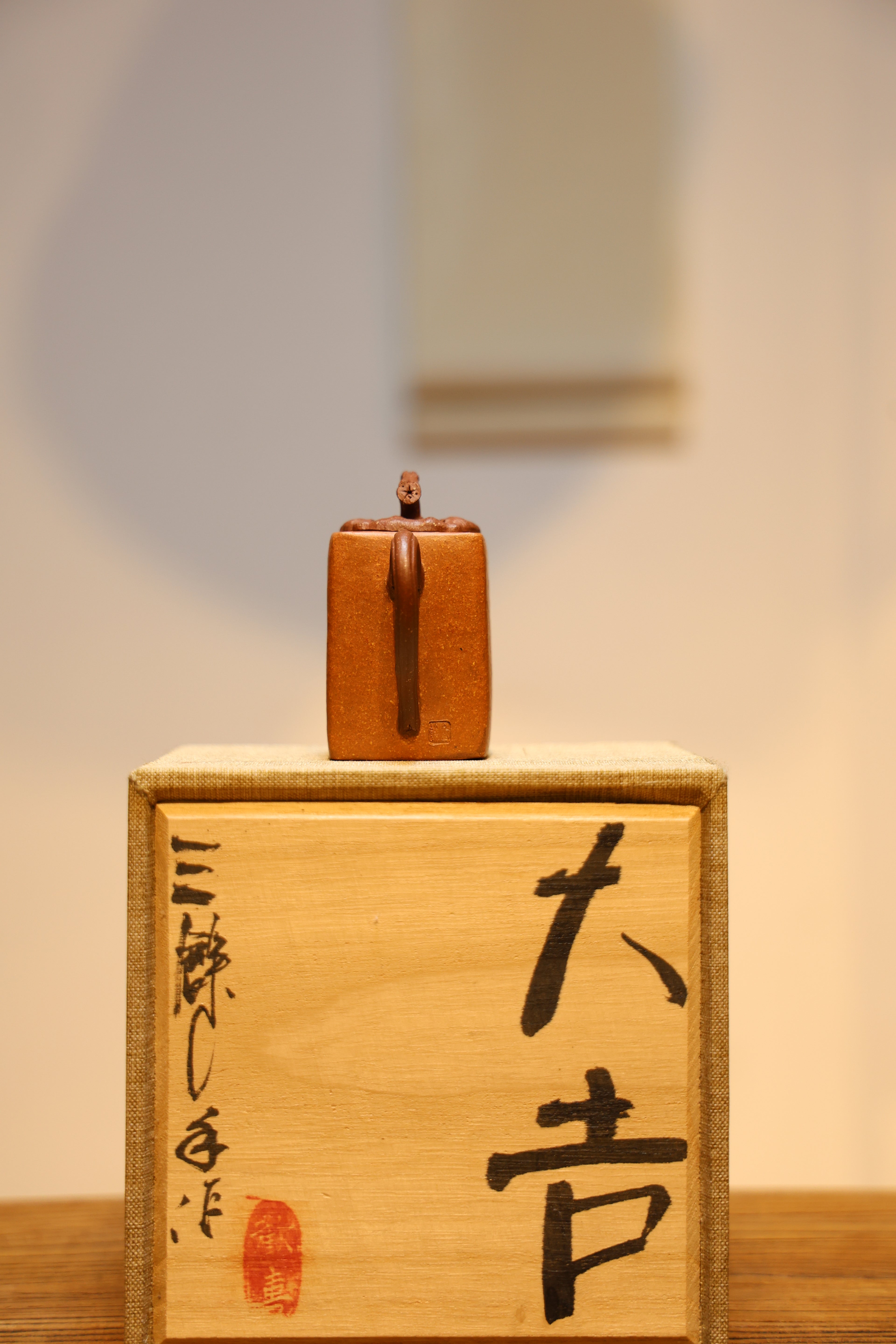
Amidst generations, heritage seekers have been enchanted by the one-of-a-kind charm of Yixing Zisha pitchers. Originating from the realm of Yixing in the eastern province, these implements are renowned for their prominent beauty, singular clay, and natural ability to boost the palate of the steeping. The clay's distinctive purple-red hue, combined with the artistic craftsmanship of regional makers, creates items that are simultaneously functional designs and cherished holdings. Purchasing a Zisha teapot is more than just every purchase; it's adopting a rich heritage heritage.
Decoding Yixing Teapots: Evolution, Categories, and Importance
The renowned Yixing teapots constitute a fascinating legacy deeply intertwined with Chinese culture. Beginning in the Yixing region of Jiangsu province, these clay vessels have a heritage dating back to the Ming Dynasty. Former examples were functional, but through centuries, Yixing teapot creation evolved into an esteemed art form. The clay itself, known for its unique grain and ability to influence the flavor of the tea, remains a defining factor. Yixing teapots materialize in various kinds, broadly categorized by shape: Standard such as Zhuni (purple clay) and Bisheng, as well as advanced designs. The worth of a Yixing teapot centers on several factors, including the Chinese Teapot potter’s distinction, the age of the piece, the rarity of the clay, and its aesthetic charm.- Background: Ming Dynasty
- Element: Different forms
- Assessment Factors: Historical period
Zisha Pot Excellence: Skills and Craftsmen
Particular fabrication of a superior Zisha teapot is a detailed process, requiring lengthy durations of skill. Master artisans meticulously procure the highest quality Zisha clay, a singular earth found only in specific regions of China. Conventional techniques, often inherited through families, involve detailed shaping, delicate carving, and calm firing in ancient fireplaces. The final teapot isn't merely a holder; it's a testament to creative vision and the serious connection between the craftsman and their background. Each teapot showcases the specific touch of the potter, resulting in a truly singular work of pottery.
Eastern Vessels: Understanding the Abundant Inheritances of Yixing Area
Celebrated Yixing, positioned in Jiangsu the expanse, is internationally renowned for its exceptional containers – a tangible representation of centuries of Chinese craft. These aren't merely vessels for infusing tea; they are intricate works of artistry, often reflecting spiritual ideals. Such unique purple clay, known as Zisha, possesses exceptional qualities: the compound dense, diffusive, and imparts a subtle character to the tea.
- Diverse families have honed the techniques of Yixing vessel making, passing down hereditary methods through times.
- Connoisseurs prize these pieces for their charm and uniqueness.
- Various piece tells a history, connecting the imbiber to a rich foundation.
Engaging in Yixing Zisha: Essential Tips
While evaluating collecting Yixing Zisha earthenware, several elements necessitate careful analysis. Preliminarily, the clay’s tone is vital; authentic Zisha habitually exhibits a definite brick undertone. Moreover, assess the workmanship; distinct characteristics and a silky layer show competent construction. Finally, research the maker’s history; celebrated names bring increased premiums and often guarantee a better appreciation.
Mastering Tea Brewing Using a Zisha Pot
Brewing delicious tea with a Zisha carafe is more outstripping a simple habit; it's an skill. Zisha clay, noted for its unique natural composition, imparts a gentle character to the finalized tea that’s often missing with other containers. The right water thermal condition is fundamental; typically, reduced than what's used for black tea, to keep the tea's scent and quality. Consider diligently the tea sort; delicate green teas or aged pu-erhs flourish from the Zisha’s ability to soften their basic edge. It’s critical to heat the teapot ahead of brewing, and to avoid over-steeping. Mastering this art leads to a factually exceptional tea moment.
- Comprehending Zisha Clay
- Water Temperature & Type of Brew
- Benefit of Warming
Looking After Your Renowned Vessel
To preserve the durability of your prized Yixing ceramic pot, steady maintenance is decisively crucial. Never using abrasives; instead, softly immerse it with moderately heated liquid. Dodge abrupt temperature; please don't place the earthenware directly onto a fiery stand. Periodically, prepare the container by immersing it with high-quality fermented tea, as this supports to develop its nature and safeguards the peculiar attributes of the component.
Regarding Substance to Cup: The Course of a Zisha Utensil
A creation of a Zisha teapot is a exceptional approach, a symbol to both the environment’s bounty and the artistry of the fabricator. It begins with the precise extraction of the extraordinary clay from the reddish Zisha mines neighboring Yixing. This raw material, known for its extraordinary peculiarities, is then slowly filtered and arranged for the first forming. The container's profile is skillfully constructed using a amalgamation of traditional shaping procedures, often incorporating decorative designs. Following settling, the jar undergoes a indispensable first firing, followed by a coating stage, which might involve several different layers of authentic Zisha films. Finally, a second, and sometimes third, firing at high temperatures perfects the artifact, revealing its definitive beauty and magnificent characteristics - a real masterpiece, poised to decorate a tea custom.
{Yixing Teapots: A Representation of Chinese Civilization and Recognition
Famed Yixing teapots, originating from the acclaimed Yixing region of Jiangsu province, are far more than mere jars for brewing tea; they represent a deep aspect of Chinese customs. Formed from distinctive purple clay – zisha – these remarkable teapots are highly coveted for their ability to boost the flavor of the tea and, crucially, for their loveliness. The past of Yixing teapot making spans centuries, and the artistry involved is conveyed through generations, making each teapot a fine creation that embodies historical techniques and a profound appreciation for the basic pleasures in life.