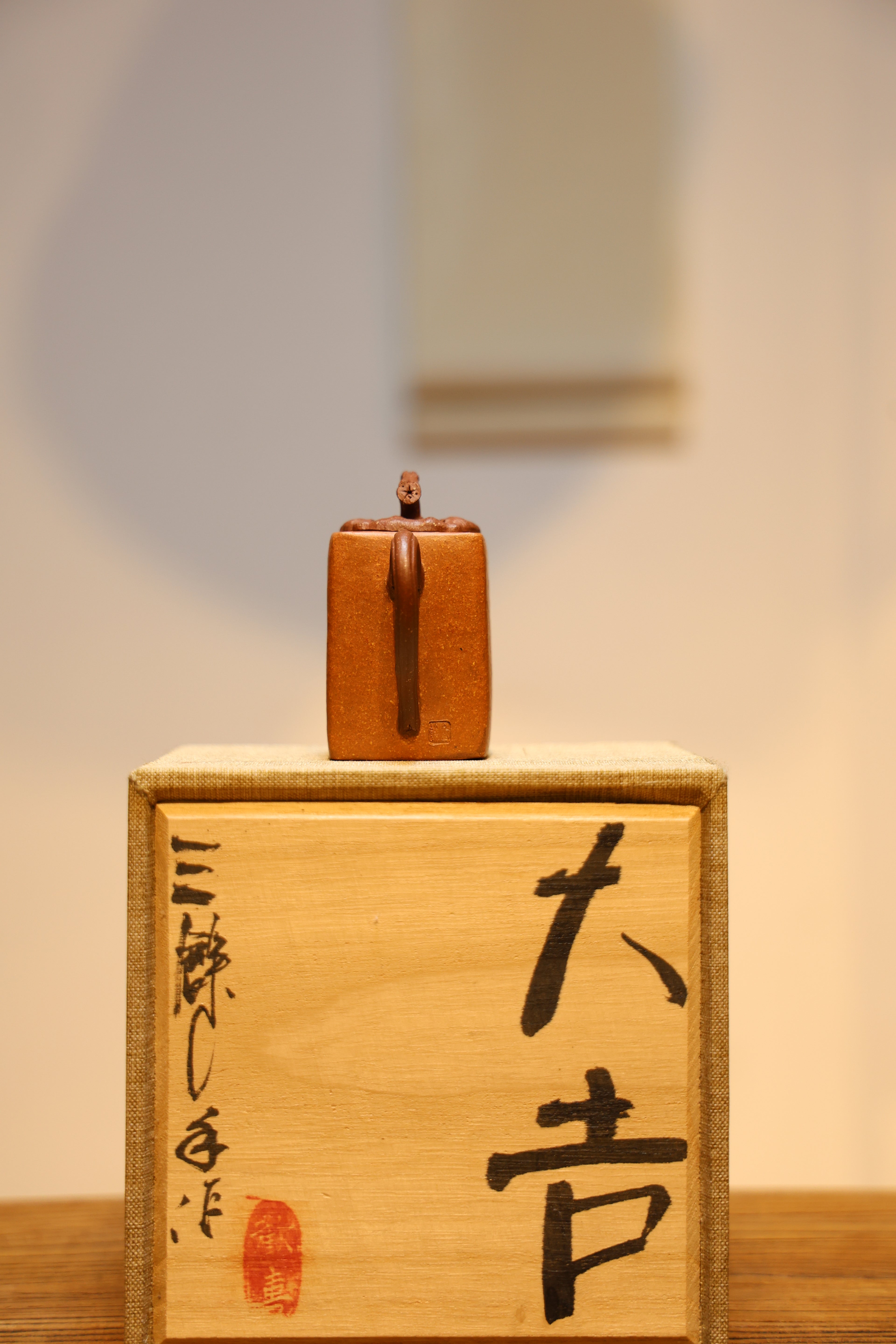
Sustained legacy establishes Chinese mugs around timespans,
Representing unique qualities sourced inside indigenous aubergine particles, those containers acquire a sheen across application, improving flavor extracted from brewed extracts.
Acknowledging Yixing Sediment: Extensive Insights into Zisha
Multiple devotees appreciate the distinctive texture of Yixing mulberry clay, a pillar of established Chinese stoneware. Hailing from the Yixing region of Jiangsu province, this precious clay boasts an delicate mineral configuration, whichever imparts outstanding qualities to the realized objects. Kinds within Zisha, including Zhuni Mud, Duan Ni Mud, and Jiang Xi Mud, each offers particular tints, consistencies, and baking traits, determining the diffusibility and the decisive flavor refinement of the elixir.
Far Eastern Teapot Usages: Discovering Artistry
Eurasian teapots embody exceeding mere containers for extract; they express centuries of cultural craft. From the renowned Yixing clay variations, respected for their spongy nature which adds distinctive nuances to the brew, to the ornate porcelain from Jingdezhen, each piece conveys a history of effort. The construction process is an intricate journey, often relayed through lineages of artists. These specialists use time-honored practices such as hand-building, shaping on wheels, and enhancing, demonstrating profound reverence for the material and the art itself. Contemplate the care invested in each piece as a symbol of Chinese stoneware legacy.
- Yixing crocks: a timeless pick.
- Fine china teapots: recognized for their delicate design.
- Shaping techniques: a demanding yet beneficial procedure.
Chinese Zisha Jar Handling: Protecting Your Esteemed Good
Adequate preservation of your special Yixing Zisha vessel is fundamental to boosting its longevity. Crafted from famous purple sand compound, these exquisite teapots accumulate a appealing patina after application, considerably boosting their allure. Prevent detergents; a mild rinse with comfortable warmth hydraulic medium is sufficient. Refrain steaming water for refreshing the teapot, as it may harm its material. Allow it to desiccate away from unfiltered sunlight. Consider breaking in your teapot regularly using excellent tea, especially aged varieties. Here is a brief outline:
- Rinse with pleasantly warm liquid.
- Eschew washers.
- Facilitate it to dry completely.
- Season with fine tea.
Heritage of Yixing Teapots: From Humble Origins
The tale of Yixing teapots commences plainly during the Song dynasty, close to the 16th epoch. Initially, these earthenwares were not the treasured artifacts they are valued presently. They were created by indigenous potters using the singular purple clay located solely in the Yixing vicinity. These early items were largely utilitarian, meant for routine application and often simple in design. It was not until the posterior dynasty that they opened to earn renown beyond mere serviceable objects.
Opting For the Proper Zisha Teapot: A Fundamental Overview
Navigating the sphere of Yixing teapots can be overwhelming, but do not fretting! For rookies, the fundamental factor is understanding the earth. Genuine Yixing clay is prized for its porosity, allowing the teapot to lock in the tea's essence over time, boosting every steeping session. Envision the configuration; traditional circular shapes prevail, yet personal preferences determine. Lastly, scrutinize the glaze—while some favor an raw appearance, others adore a light gloss. Take your time in the choice process—this is an deal in a esteemed piece of pottery.
Zisha Pitchers and Their Contribution on Chinese Tea Ceremony
Zisha containers, existing from Yixing, China, have profoundly changed ancient Chinese drink culture. These Yixing clay teapots, prized for their recognizable pigment, feel, and exceptional ability to impart a subtle note to the infusion, symbolize more than mere receptacles; they are admired objects and symbols of renown. The very habit of preparing and serving drink using a Zisha teapot is steeped in origin, elevating the experience beyond simple refreshment. Epochs of artisans have enhanced their techniques, passed down through generations, resulting in highly desired pieces. Thus, Zisha teapots are frequently collected, playing a crucial part in cultivating traditional appreciation for aesthetics Yixing Teapot and the practice of brew ceremonies.
- Distinctive Clay Composition
- Bestowing Subtle Flavor
- Fine Craftsmanship
Distinguishing True Unique Local Vessels
Procuring a genuine Yixing teapot can be a satisfying experience, but the environment is often filled with forgeries. Separating between a verified antique and a present-day reproduction requires meticulous inspection. Key evidence include the clay's reddish-brown shade, often displaying patterned signs, and the absence of modern baking imprints. The profile should appear natural refinement, reflecting the traditional Yixing look. Finally, evaluating the artisan's inscription is key to verify authenticity against recognized citations.
- Assess the clay's fabric.
- Look for imperfections, indicative of manual quality.
- Hire an consultant for confirmation.
Purchasing Native Kettles: A Detailed Handbook to Clay Ware Review
The industry of 宜兴 Zisha wares grants a significant chance for insightful collectors. Growing, the cost of these custom artifacts is determined by numerous variables, such as the category of component, the expertise of the potter, the cultural importance, and, naturally, the ongoing demand. Novices should prioritize on studying the several kinds of Zisha clay—such as Glacial, Quiet Jug, and Crimson Soil—and studying the traits linked to each. Diligent assessment of the teapot's form, color, and badge is concurrently paramount to make experienced judgments when investing.