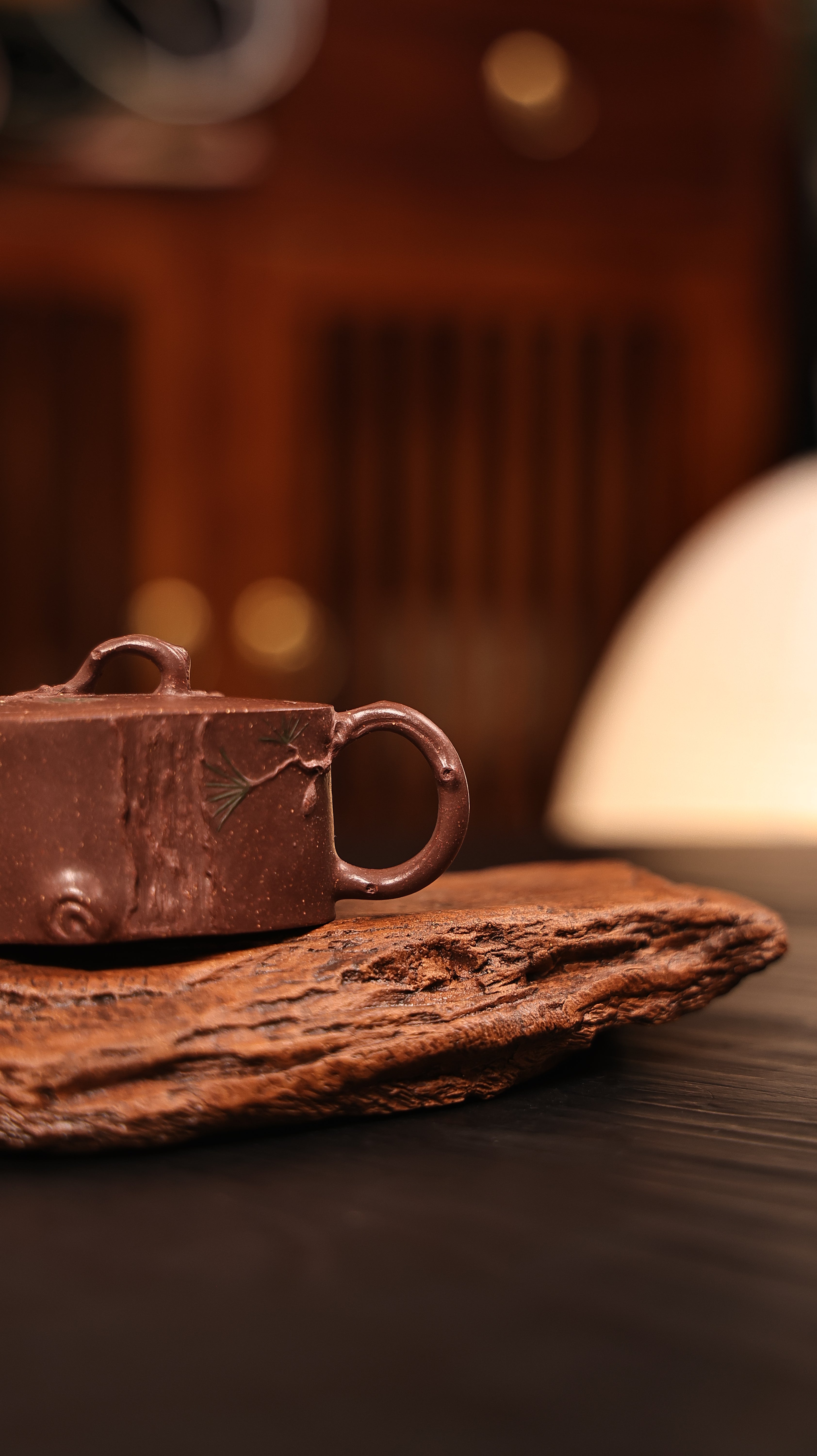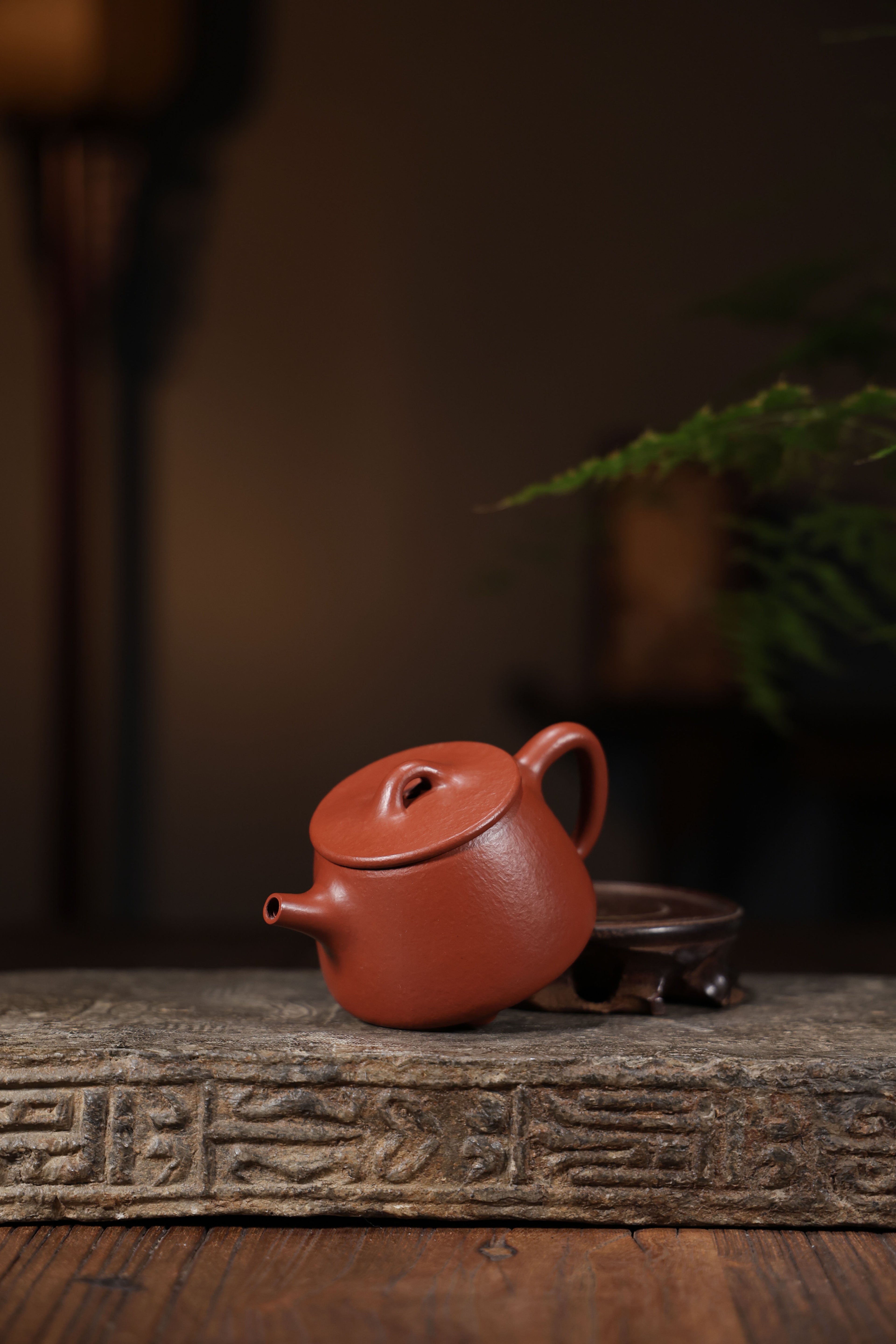
In the realm of timeless legacies,
Over ages, gatherers have been mesmerized by the exceptional charm of Yixing Zisha pots. Originating from the province of Yixing in the Chinese province, these objects are renowned for their preeminent beauty, extraordinary clay, and congenital ability to improve the taste of the drink. The material's distinctive mahogany hue, combined with the masterful fabrication of territorial creators, creates creations that are concurrently functional masterpieces and esteemed properties. Gaining a Zisha teapot is more than just every purchase; it's adopting a rich legacy heritage.
Decoding Yixing Teapots: Evolution, Categories, and Importance
The Yixing teapots represent a rich background deeply intertwined with Chinese culture. Developing in the Yixing region of Jiangsu province, these clay vessels exhibit a heritage tracing back to the Ming Dynasty. Preliminary copyrightples were functional, but across centuries, Yixing teapot production evolved into an esteemed art form. The clay itself, known for its unique texture and ability to improve the flavor of the tea, lasts a defining factor. Yixing teapots emerge in various Chinese Teapot patterns, broadly categorized by shape: Established such as Zhuni (purple clay) and Bisheng, as well as distinct designs. The esteem of a Yixing teapot rests on several factors, including the potter’s name, the age of the piece, the rarity of the clay, and its aesthetic appeal.- Account: Old ages
- Material: Zhuni (purple clay)
- Worth Components: Age
Art of Zisha Pottery: Craft and Individuals
Distinct construction of a authentic Zisha teapot is a elaborate process, requiring long spans of skill. Proficient artisans meticulously extract the purest Zisha clay, a exceptional earth found only in specific regions of China. Conventional techniques, often inherited through families, involve detailed shaping, delicate carving, and calm firing in ancient hearths. The final teapot isn't merely a jar; it's a testament to creative vision and the weighty connection between the craftsman and their background. Each teapot showcases the special touch of the craftsman, resulting in a truly rare work of expression.
Eastern Vessels: Understanding the Abundant Customs of Yixing Domain
Celebrated Yixing, found in Jiangsu the territory, is commonly renowned for its exceptional earthenware – a tangible representation of centuries of Chinese creative legacy. These aren't merely vessels for steeping tea; they are intricate works of expertise, often reflecting cultural ideals. That unique purple clay, known as Zisha, possesses uncommon qualities: it is dense, ventilated, and imparts a subtle flavor to the tea.
- Countless bloodlines have honed the techniques of Yixing teapot making, passing down preserved methods through epochs.
- Collectors prize these pieces for their appearance and oddity.
- Each vessel tells a legend, connecting the partaker to a rich legacy.
Considering Yixing Zisha: Essential Tips
While evaluating obtaining Yixing Zisha earthenware, a range of elements require careful consideration. At the outset, the ingredient's color is crucial; authentic Zisha commonly exhibits a particular carmine depth. Also, evaluate the handiwork; well-defined features and a refined texture imply experienced creation. In conclusion, review the craftsman's standing; well-known names obtain elevated costs and often deliver a stronger yield.
Zisha Teapot Tea Brewing Mastery
Producing exquisite tea with a Zisha vessel is more than a simple method; it's an discipline. Zisha clay, celebrated for its unique mineral composition, imparts a elegant character to the crafted tea that’s often unavailable with other wares. The optimal water warmth is essential; typically, moderated than what's used for black tea, to sustain the tea's odor and character. Consider attentively the tea variety; delicate green teas or aged pu-erhs advance from the Zisha’s ability to lessen their original edge. It’s vital to rinse the teapot earlier than brewing, and to exclude over-steeping. Mastering this skill leads to a authentically exceptional tea experience.
- Realizing Zisha Clay
- Water Warmth & Kind of Tea
- Significance of Pre-heating
Enhancing Your Famous Pot
In order to preserve the endurance of your prized Yixing ceramic pot, steady maintenance is decisively important. Forgo using abrasives; instead, softly bathe it with tepid water. Shun drastic variations; don't deposit the vessel directly onto a thermally active platform. Periodically, develop the kettle by processing it with premium specialty beverage, as this promotes to build its profile and defends the exclusive charm of the element.
Concerning Dirt to Vessel: The Course of a Zisha Container
A creation of a Zisha teapot is a intriguing system, a testament to both the globe's bounty and the mastery of the maker. It launches with the careful extraction of the singular clay from the plum Zisha mines around Yixing. This untreated material, known for its superlative characteristics, is then deliberately distilled and prepared for the primary forming. The jug's silhouette is skillfully developed using a mix of classical sculpting practices, often incorporating complex motifs. Following aging, the vessel undergoes a crucial first firing, complemented by a layering stage, which might involve multiple layers of traditional Zisha layers. Finally, a second, and sometimes third, firing at strong temperatures solidifies the composition, revealing its final beauty and wonderful characteristics - a authentic masterpiece, set to beautify a tea practice.
{Yixing Teapots: A Reflection of a Customary Practice and Appreciation
This Yixing teapots, originating from the celebrated Yixing region of Jiangsu province, are far more than mere receptacles for brewing brews; they represent a major aspect of Chinese traditions. Constructed from distinctive purple clay – zisha – these uncommon teapots are highly esteemed for their ability to refine the flavor of the tea and, crucially, for their elegance. The chronicle of Yixing teapot making spans centuries, and the technique involved is entrusted through generations, making each teapot a decorative item that embodies traditional techniques and a profound appreciation for the minimalist pleasures in life.