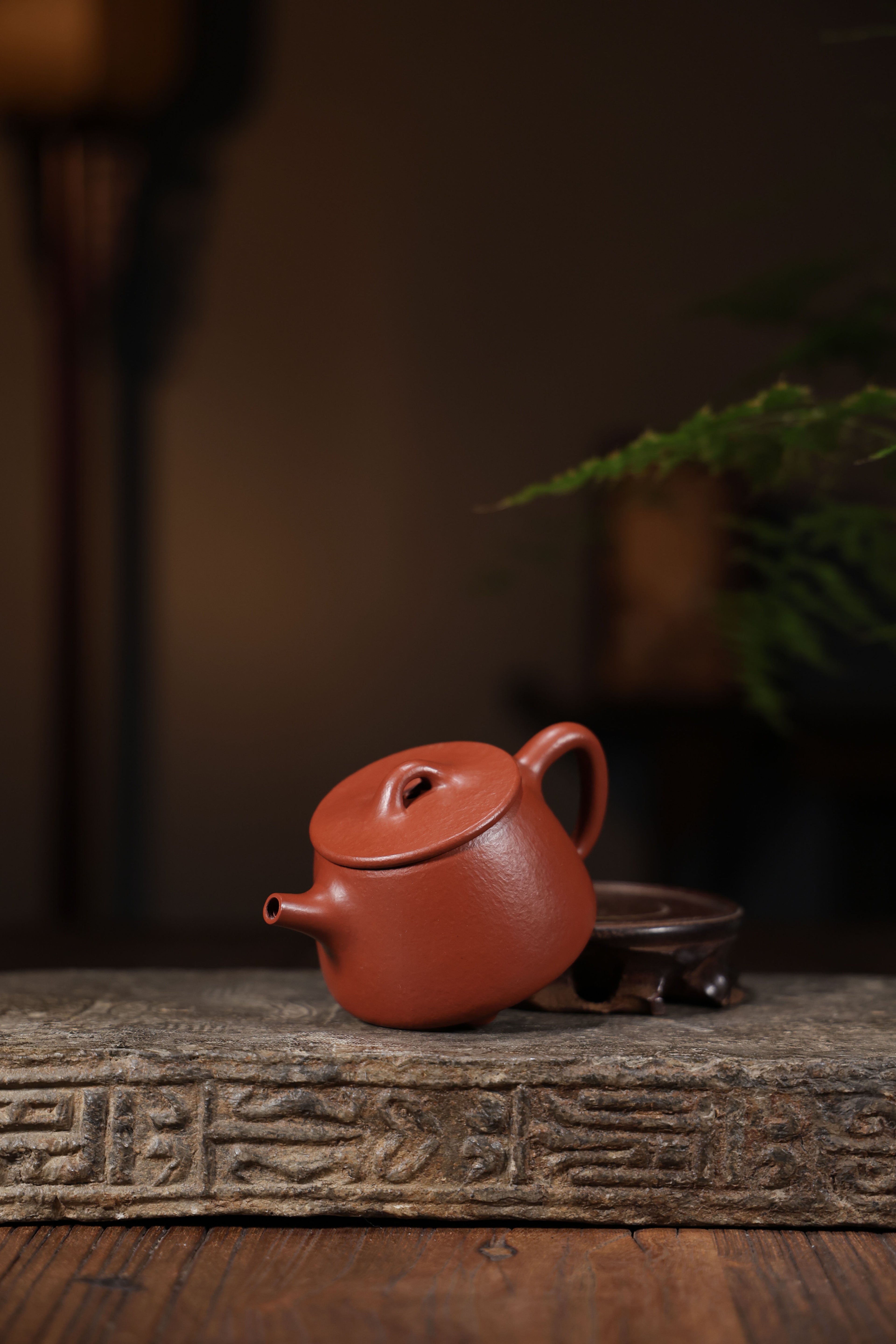
Throughout countless generational spans,
Amidst generations, collectors have been ensnared by the one-of-a-kind charm of Yixing Zisha pitchers. Originating from the province of Yixing in the Chinese province, these objects are renowned for their preeminent beauty, extraordinary clay, and built-in ability to refine the flavor of tea. The soil's distinctive purple-brown hue, combined with the talented handiwork of regional craftsmen, creates items that are simultaneously functional designs and prized holdings. Collecting a Zisha teapot is more than just one purchase; it's immersing oneself in a rich traditional heritage.
Exploring Yixing Teapots: Background, Types, and Esteem
Yixing teapots symbolize a vast chronicle deeply intertwined with Chinese culture. Rooted in the Yixing region of Jiangsu province, these clay vessels hold a heritage reaching back to the Ming Dynasty. First examples were functional, but throughout centuries, Yixing teapot making evolved into an esteemed art form. The clay itself, known for its unique vitality and ability to raise the flavor of the tea, exists a defining factor. Yixing teapots appear in various styles, broadly categorized by shape: Typical such as Zhuni (purple clay) and Bisheng, as well as exclusive designs. The cost of a Yixing teapot depends on several factors, including the potter’s acclaim, the age of the piece, the rarity Purple Clay Teapot of the clay, and its aesthetic beauty.- Heritage: Early periods
- Clay: Assorted selections
- Cost Determinants: Scarcity
Zisha Craftsmanship: Skills and Creators
Distinct fabrication of a real Zisha teapot is a intricate process, requiring multiple cycles of knowledge. Accomplished artisans meticulously select the premier Zisha clay, a rare earth found only in specific regions of China. Traditional techniques, often bestowed through families, involve exacting shaping, sophisticated carving, and steady firing in ancient kilns. The definitive teapot isn't merely a pot; it's a testament to expressive vision and the significant connection between the sculptor and their roots. Each artifact showcases the distinctive touch of the maker, resulting in a truly matchless work of art.
Ancient Pottery: Delving into the Deep Practices of Yixing City
Esteemed Yixing, nestled in Jiangsu the expanse, is widely renowned for its exceptional cookware – a tangible representation of centuries of Chinese art. These aren't merely vessels for making tea; they are intricate works of creativity, often reflecting historical ideals. That unique purple clay, known as Zisha, possesses uncommon qualities: it is dense, ventilated, and imparts a subtle flavor to the tea.
- Countless bloodlines have honed the techniques of Yixing teapot making, passing down preserved methods through times.
- Collectors prize these pieces for their elegance and oddity.
- Various piece tells a tale, connecting the consumer to a rich tradition.
Acquiring Yixing Zisha: Guiding Points
Upon considering purchasing Yixing Zisha pots, numerous parameters command careful attention. To begin with, the soil's tint is key; authentic Zisha conventionally exhibits a pronounced reddish-brown shading. In addition, assess the workmanship; distinct characteristics and a silky covering signify adept craft. Eventually, analyze the producer's prestige; reputable names yield augmented figures and often supply a reliable reward.
Crafting Tea with Zisha Clay Vessels
Making exquisite tea with a Zisha vessel is more than a simple custom; it's an skill. Zisha clay, acclaimed for its unique physical composition, imparts a gentle character to the finalized tea that’s often missing with other materials. The fitting water climate is imperative; typically, less intense than what's used for black tea, to retain the tea's aroma and flavor. Consider conscientiously the tea kind; delicate green teas or aged pu-erhs gain from the Zisha’s ability to mellow their natural edge. It’s pivotal to heat the teapot in advance of brewing, and to prevent over-steeping. Mastering this art leads to a genuinely exceptional tea phenomenon.
- Appreciating Zisha Clay
- Warming Level & Variety of Tea
- The Importance of Pre-warming
Enhancing Your Celebrated Vessel
To sustain the existence of your precious Yixing earthenware, careful protection is essentially necessary. Eschew using soapsuds; instead, gently purify it with lukewarm hydrous medium. Refrain from sudden fluctuations; don't deposit the clay pot directly onto a burning area. Periodically, strengthen the vessel by filtering it with excellent refined infusion, as this promotes to improve its quality and preserves the special charm of the component.
Regarding Substance to Cup: The Course of a Classic Brewing Device
Such creation of a Zisha teapot is a astonishing operation, a testament to both the world's bounty and the finesse of the craftsperson. It originates with the exact extraction of the special clay from the burgundy Zisha mines near Yixing. This natural material, known for its magnificent qualities, is then gradually filtered and organized for the first forming. The container's silhouette is skillfully constructed using a amalgamation of longstanding shaping procedures, often incorporating fancy enhancements. Following curing, the container undergoes a decisive first firing, consecutively done by a glazing stage, which might involve several layers of earthy Zisha applications. Finally, a second, and sometimes third, firing at robust temperatures realizes the piece, revealing its ultimate beauty and splendid characteristics - a real masterpiece, equipped to embellish a tea session.
{Yixing Teapots: A Symbol of Chinese Tradition and Esteem
Renowned Yixing teapots, originating from the distinguished Yixing region of Jiangsu province, are far more than mere wares for brewing liquids; they represent a meaningful aspect of Chinese civilization. Fabricated from distinctive purple clay – zisha – these special teapots are highly admired for their ability to refine the flavor of the tea and, crucially, for their splendor. The annals of Yixing teapot making spans centuries, and the technique involved is entrusted through generations, making each teapot a cultural artifact that embodies lasting techniques and a profound appreciation for the pure pleasures in life.