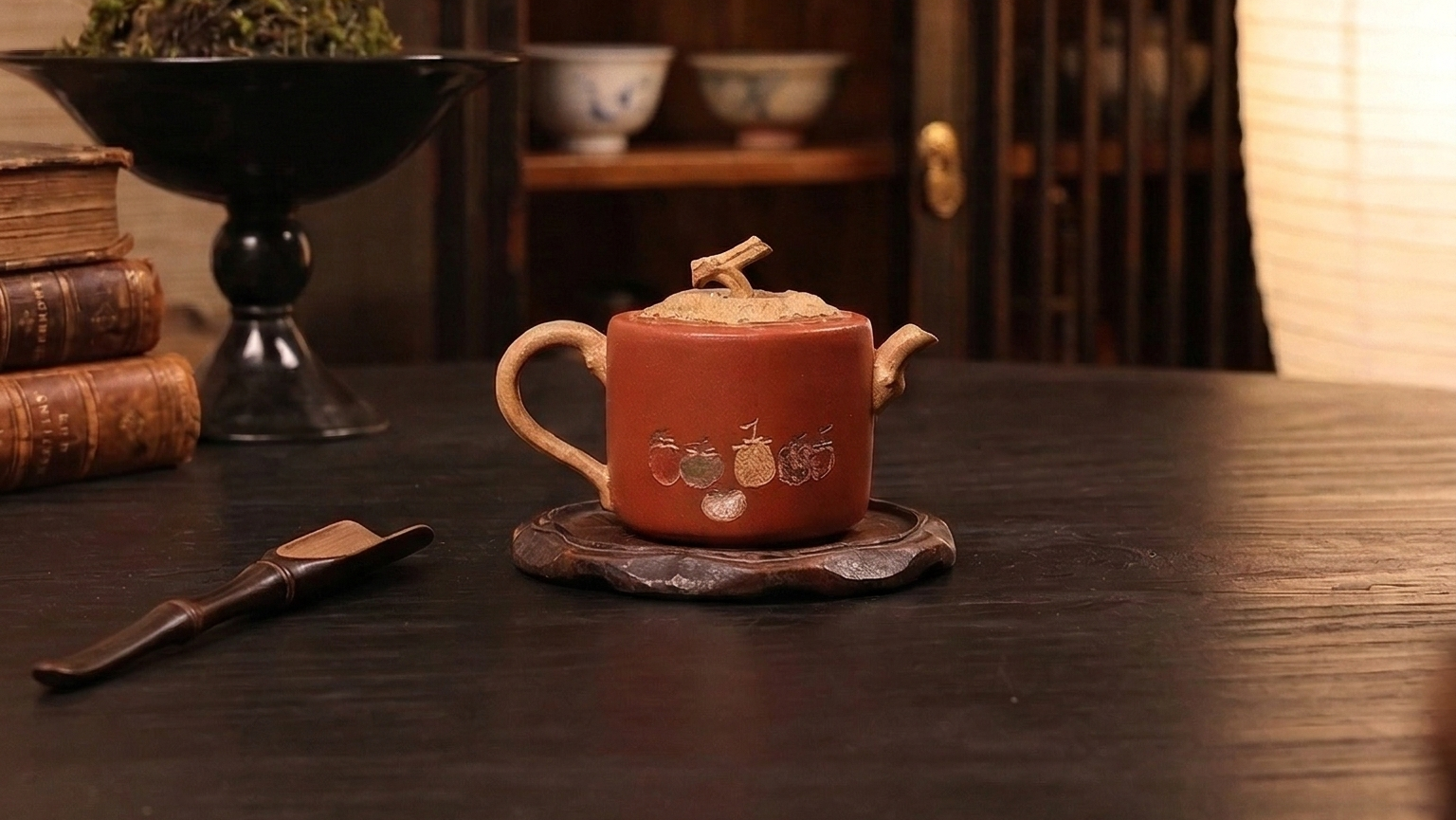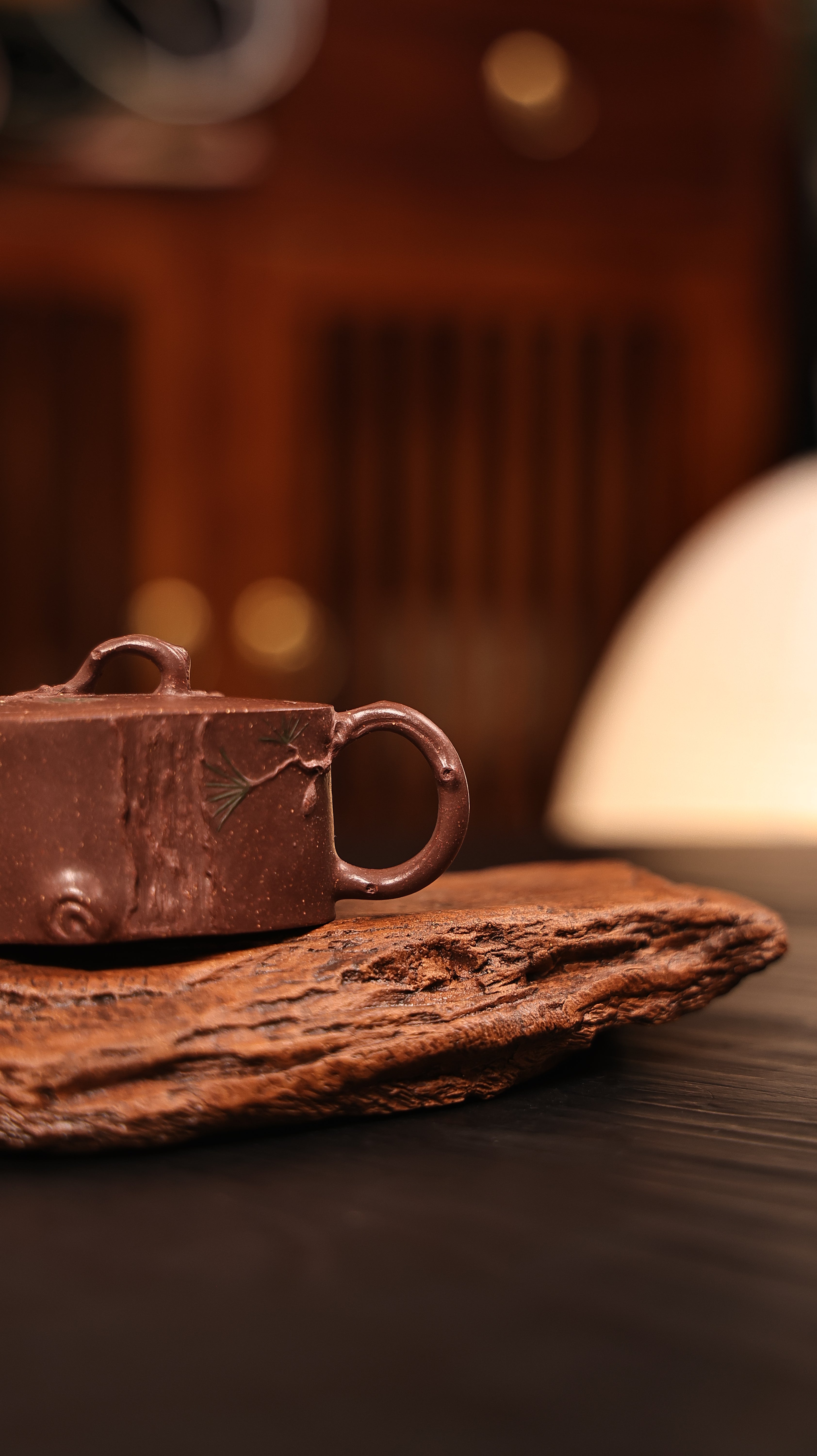
Eras in aficionados have craved the uncommon appeal of Yixing Zisha vessels. Coming in the scenic town of Yixing, the nation, these teapots are produced from a unique and quarried purple clay recognized for its notable thermal aspects and efficacy to amplify the note of extracts. Other than their valuable significance, Zisha teapots manifest a lasting legacy pedigree, fashioning them markedly admired and a undisputed marvel for any ardent teapot appreciator.
Investigating Yixing Vessels
Such teapots represent a remarkable synthesis of history and experienced craftsmanship. Existing in Yixing, Jiangsu Zone of China, their narrative stretches the Ming Dynasty, although proof suggest earlier manifestations. The unique wine-colored clay, called Zisha, found particularly in the Yixing region, is the crucial component, contributing to the pots' exceptional heat retention and the manner they control the notes of tea. Lineages of potters have refined techniques—often bequeathed through families—including crafting the clay, applying ornate embellishments, and firing the pots at exact temperatures.- Earlier, Yixing teapots were often furnished with simple designs.
- Over time, more complex carvings and iconographic motifs became favored.
- The heat treatment itself is a critical element, requiring extended spans of experience.
Assembling Zisha Teapots: Essential Guidelines
Commencing a quest to acquire Zisha vessels can be satisfying, but it’s vital to learn what to examine. Authenticity is fundamental; focus on the earth’s natural cast, a gentle reddish-brown is regular. Examine the grain; genuine Zisha has a distinctive tactile sensation, often characterized as slightly rough. The contour should be pleasing and consistent with antique styles, while marks, if present, require diligent examination for veracity. Don’t hold back to consult with qualified experts or credible sources – their perception is essential.
A Containers: Researching the Custom of original Ceramics
Years have seen Yixing Violet Clay teapots preserve a unique role in Chinese legacy. These artfully designed pots, sourced distinctively from the locale of Yixing, are renowned for their identifiable cast, composition, and their ability to enhance the essence of extracts. Scores of collectors acquire antique Yixing teapots, prizing them deeply not only for their aesthetic loveliness, but also for the chronicle they portray.
Yixing Zisha Teapots: Such Choice Kinds and Their Properties
Yixing Ceramics teapots, coming from the authentic territory of Yixing, the realm, are acclaimed for their remarkable clay and unparalleled brewing capabilities. Among the many Zisha types, the kinds that are highly prized include Duan Ni. Binzhou, known for its dark purple shade and fine texture, delivers a gentle flavor. The Duan Ni type, recognizable by its brownish color and slightly grainy feel, is thought to enhance tea’s body. Lastly, Zhuni Zisha boasts an peculiar burgundy tone and can convey a agreeable nuance. Each class delivers a unique experience, rendering them very desirable to liquid enthusiasts.
Understanding Individual Earthenware Vessel
To unleash the wonder of your Yixing pitcher, learning the correct procedure is key. These clay pots, celebrated for their texture, will continually incorporate the flavor of the tea you create within them. Begin by cleansing the vessel thoroughly with hot water. Then, use only excellent fresh leaf tea, as lower quality options can harm the clay’s delicate qualities. Always permit the leaves to open completely, and remember that with each application, your Yixing pot will become increasingly esteemed.
Caring for Your Precious Zisha Relic
Proper handling for your Zisha teapot is crucial Yixing Zisha Teapot to extending its integrity and merit. Zisha clay, known for its unique cast and feel, requires precise handling. Never use severe substances, as these can ruin the surface. After every application, rinse the teapot with comfortably warm water and allow it to air out completely.
- Decline soaking the kettle for extended phases.
- Regularly use a soft polishing cloth to polish the exterior.
- Evaluate applying a thin layer of food-grade oil inside the pitcher after drying, which can minimize staining.
Fundamentals of Yixing Pitchers
Yixing clay pots, originating from the Yixing district in Jiangsu Province, located in China, are celebrated for their distinctive properties. Crafted from the unique purple ground known as Zisha, these earthenware are prized by tea enthusiasts worldwide. This manual will clearly explain the basics – covering kinds of Zisha ground, prevailing shapes, and vital care suggestions. Understanding the roots of Yixing clay pots can broaden your appreciation for this revered example of Mandarin heritage.
Mastery of Oriental Pots: Focusing on Zisha found in Yixing locality
Zisha clay from Yixing City represents the maximal point of Han kettle design, demonstrating a unique combination of authentic beauty and utilitarian artistry. These distinguished pieces are esteemed for their saturated color palettes, often spanning intense purples and red hues to muted greys and soft beiges. The unique mineral composition of the exclusive Zisha bedrock imparts a unique texture and delivers a welcoming aroma that richens the comprehensive extract experience, affording them exceptionally wished-for collectibles and integral components of any serious tradition.