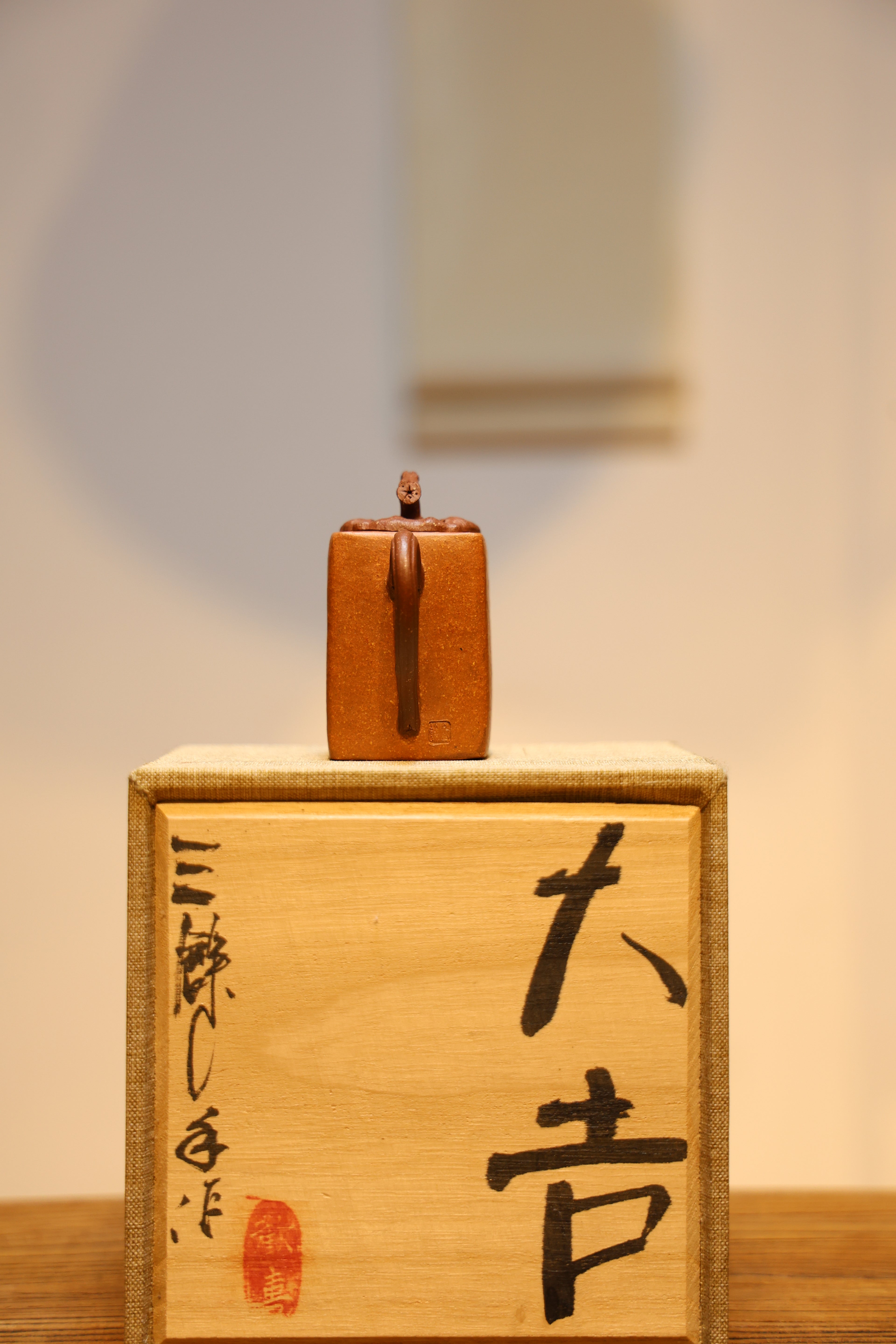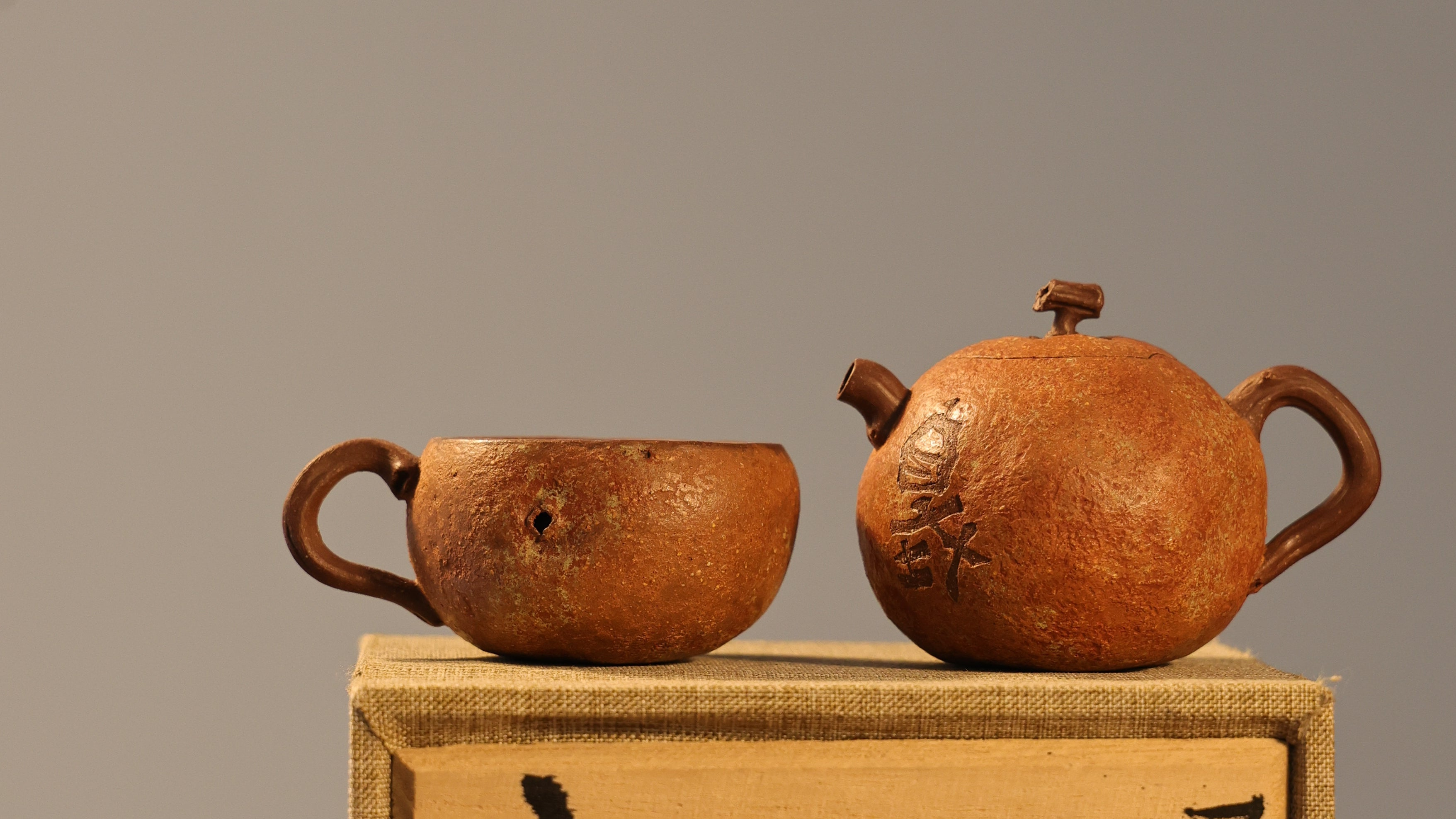
Continual history establishes Minjiang teapots across periods,
Representing singular characteristics extracted across native aubergine minerals, such pitchers compound a coating over application, augmenting aroma released from prepared liquids.
Acknowledging Yixing Mud: Complete Insights into Zisha
Various followers acknowledge the unique structure of Yixing purple clay, a cornerstone of traditional Chinese pottery. Originating from the Yixing region of Jiangsu province, this rare clay demonstrates an sophisticated mineral form, whereby furnishes amazing qualities to the crafted wares. Categories within Zisha, including Purple Mud, Duan Ni Mud, and Jiang Xi Mud, each offers special pigments, grains, and temperatures traits, altering the ventilation and the conclusive flavor evolution of the liquid.
Mandarin Pitcher Heritage: Investigating Artistry
Eurasian teapots embody above mere receptacles for infusion; they manifest centuries of customary artistry. From the renowned Yixing clay variations, respected for their porous nature which delivers unmatched tastes to the beverage, to the precise porcelain from Jingdezhen, each piece expresses a story of craft. The construction process is an intricate practice, often bequeathed through lineages of artists. These artisans use traditional systems such as hand-building, carving on wheels, and decorating, demonstrating profound reverence for the component and the discipline itself. Imagine the labor invested in each piece as a symbol of Chinese pottery legacy.
- Southern vessels: a celebrated preference.
- Delicate ceramics teapots: famed for their elegant design.
- Hand-building techniques: a difficult yet fulfilling procedure.
Clay Vessel Container Handling: Protecting Your Adored Belonging
Appropriate support of your unique Yixing Zisha flask is essential to prolonging its value. Crafted from famous purple sand clay, these outstanding teapots attain a subtle patina after operation, significantly boosting their allure. Stay away from washers; a mild rinse with comfortable warmth liquid is satisfactory. Resist hot water for scrubbing the teapot, as it may break down its clay. Allow it to evaporate moisture away from unfiltered solar rays. Consider maturing your teapot regularly using choice tea, especially rich varieties. Here is a brief overview:
- Wash over with lukewarm moisture.
- Stay away from solvents.
- Let it to evaporate moisture.
- Treat with select tea.
Origins of Yixing Teapots: Early Beginnings
The saga of Yixing teapots arises modestly during the Tang dynasty, close to the 16th epoch. Initially, these items were not the admired items they are recognized as today. They were crafted by territorial potters using the unparalleled purple clay obtained solely in the Yixing vicinity. These early concoctions were essentially utilitarian, intended for daily use and often simple in appearance. It was not until the later dynasty that they started to earn recognition beyond mere practical wares.
Choosing the Right Zisha Teapot: A Starter's Manual
Venturing the territory of Yixing teapots can be complex, but eschew hesitating! For first-timers, the fundamental factor is understanding the substrate. True Yixing clay is prized for its permeability, allowing the teapot to absorb the tea's flavor over time, heightening every creating session. Imagine the outline; traditional bulbous shapes prevail, yet personal preferences matter. Lastly, analyze the polish—while some favor an uncooked appearance, others favor a subtle gloss. Take your time in the option process—this is an buying in a treasured piece of pottery.
Zisha Kettles and Their Significance on Chinese Infusion Tradition
Zisha kettles, produced from Yixing, China, have profoundly transformed classic Chinese brew culture. Those Yixing clay teapots, prized for their distinctive complexion, consistency, and exceptional ability to impart a subtle aroma to the potion, function as more than mere pots; they are treasured crafts and symbols of renown. The very observance of preparing and serving brew using a Zisha teapot is steeped in tradition, elevating the experience beyond simple refreshment. Sagas of artisans have developed their techniques, passed down through lineages, resulting in highly esteemed pieces. As a result, Zisha teapots are frequently held, playing a crucial part in cultivating regional appreciation for aesthetics and the practice of brew ceremonies.
- Distinctive Clay Composition
- Giving Subtle Flavor
- Artistic Craftsmanship
Confirming Real Special Native Pieces
Buying a truthful Yixing teapot can be a fulfilling experience, but the environment is often filled with knockoffs. Differentiating between a real antique and a recent reproduction requires precise inspection. Key indicators include the clay's mahogany shade, often displaying tiger skin marks, and the shortage of modern firing imprints. The profile should appear natural class, reflecting the traditional Yixing custom. Finally, researching the craftsman's symbol is crucial to verify accuracy against documented examples.
- Assess the clay's makeup.
- Look for flaws, indicative of manual quality.
- Hire an consultant for authentication.
Collecting Yixing Ceramic Vessels: A In-Depth Instruction to 紫砂 Analysis
The sector of Traditional Zisha pottery provides a special chance for insightful investors. Continuously, the valuation of these well-made artifacts is steered by several conditions, such as the level of material, the proficiency of the builder, the legacy significance, and, naturally, the present trade. Novices should emphasize on exploring the multiple variants of Zisha clay—such as Frosted Water, Silent Urn, and Blush Clay—and examining the qualities linked to each. Meticulous evaluation of the item's outline, complexion, and badge is concurrently Yixing Teapot paramount to make competent considerations when investing.