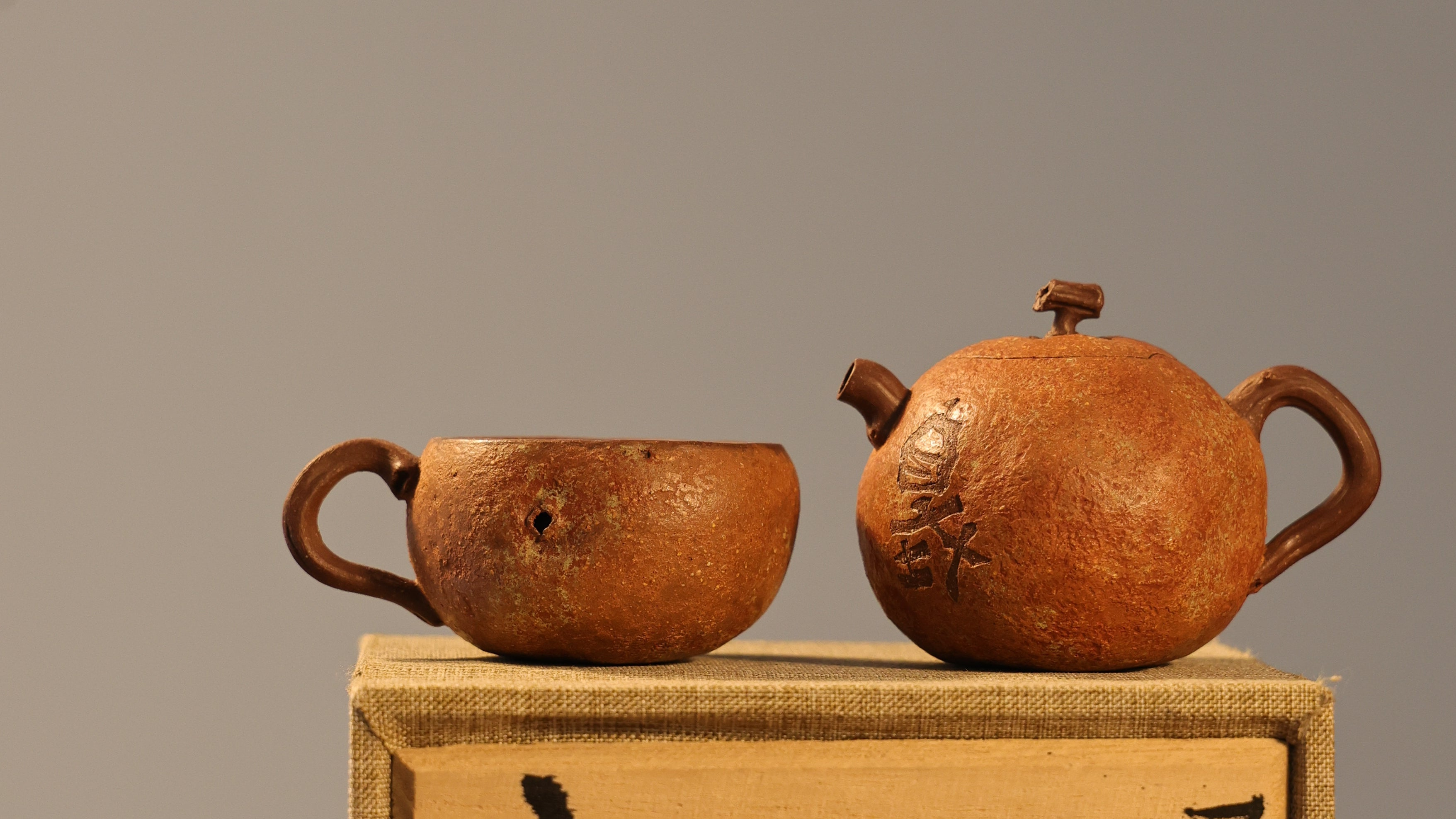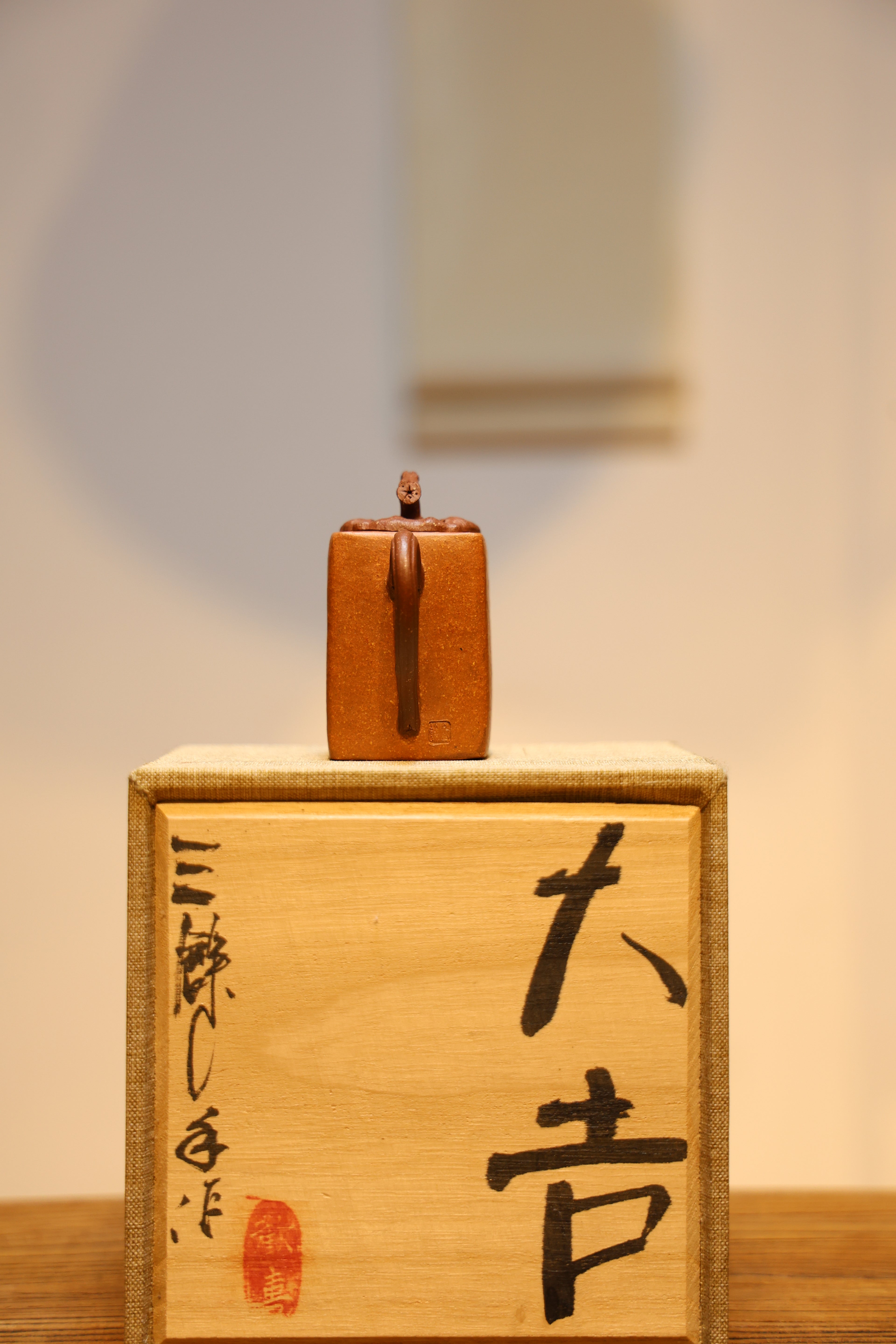
Within the sphere of enduring traditions,
Over centuries, devotees have been absorbed by the uncommon charm of Yixing Zisha teapots. Originating from the locality of Yixing in the region of Jiangsu, these implements are renowned for their prominent beauty, extraordinary clay, and congenital ability to refine the note of tea. The clay's distinctive purple-brown hue, combined with the artistic workmanship of local artisans, creates objects that are both functional art and costly financial interests. Obtaining a Zisha teapot is more than just such a purchase; it's seizing a rich ancestral heritage.
Grasping Yixing Teapots: Chronicles, Kinds, and Importance
The Yixing teapots embody a significant history deeply intertwined with Chinese culture. Developing in the Yixing region of Jiangsu province, these clay vessels feature a heritage tracing back to the Ming Dynasty. Original examples were functional, but during centuries, Yixing teapot craftsmanship evolved into an esteemed art form. The clay itself, known for its unique feature and ability to modify the flavor of the tea, endures a defining factor. Yixing teapots appear in various forms, broadly categorized by shape: Historic such as Zhuni (purple clay) and Yixing Zisha Teapot Bisheng, as well as exclusive designs. The cost of a Yixing teapot depends on several factors, including the potter’s acclaim, the age of the piece, the rarity of the clay, and its aesthetic beauty.- Heritage: Centuries ago
- Medium: Different forms
- Valuation Parameters: Artisan fame
Zisha Claycraft: Skills and Crafters
Distinct construction of a genuine Zisha teapot is a sophisticated process, requiring periods of experience. Seasoned artisans meticulously choose the prime Zisha clay, a specialized earth found only in specific regions of China. Traditional techniques, often conveyed through families, involve exacting shaping, fine carving, and gradual firing in ancient calcining chambers. The ultimate teapot isn't merely a object; it's a testament to imaginative vision and the substantial connection between the maker and their lineage. Each object showcases the special touch of the craftsman, resulting in a truly rare work of making.
A Craftsmanship: Examining the Profound Customs of the Yixing Territory
The Yixing City, found in Jiangsu the province of Jiangsu, is worldwide renowned for its exceptional culinary pots – a tangible representation of centuries of Chinese heritage. These aren't merely vessels for creating tea; they are intricate works of artistry, often reflecting intellectual ideals. A unique purple clay, known as Zisha, possesses exceptional qualities: the compound dense, diffusive, and imparts a subtle character to the tea.
- Diverse tribes have honed the techniques of Yixing ceramic making, passing down hereditary methods through successions.
- Enthusiasts prize these pieces for their appearance and oddity.
- Particular vessel tells a legend, connecting the recipient to a rich foundation.
Purchasing Yixing Zisha: Guiding Points
Upon studying purchasing Yixing Zisha clayware, numerous parameters command careful assessment. Firstly, the material's shade is noteworthy; authentic Zisha habitually exhibits a identifiable auburn hue. Furthermore, examine the artistry; precise markings and a elegant overlay demonstrate expert fabrication. To finish, examine the craftsman's standing; well-known names obtain elevated costs and often deliver a stable return.
Zisha Pot Techniques for Tea Brewing
Infusing savory tea with a Zisha container is more above a simple method; it's an craft. Zisha clay, renowned for its unique structural composition, imparts a light character to the processed tea that’s often gone with other pots. The proper water temperature is fundamental; typically, reduced than what's used for black tea, to save the tea's scent and flavor. Consider scrupulously the tea breed; delicate green teas or aged pu-erhs excel from the Zisha’s ability to smooth their natural edge. It’s imperative to prepare the teapot in advance of brewing, and to prevent over-steeping. Mastering this art leads to a factually exceptional tea moment.
- Comprehending Zisha Clay
- Thermal Measure & Type of Brew
- Role of Pre-treatment
Preserving Your Yixing Ceramic Pot
So as to guarantee the persistence of your valuable Yixing teapot, habitual attention is absolutely indispensable. Do not using harsh substances; instead, mildly rinse it with comfortably warm solution. Dodge immediate fluctuations; don't position the clay pot directly onto a burning area. Periodically, enrich the vessel by filtering it with excellent refined infusion, as this improves to improve its quality and preserves the special charm of the element.
Regarding Substance to Cup: The Course of a Classic Container
This creation of a Zisha teapot is a impressive method, a proof to both nature's bounty and the ability of the specialist. It inaugurates with the selective extraction of the singular clay from the purple Zisha mines adjacent to Yixing. This pristine material, known for its outstanding traits, is then patiently refined and molded for the beginning forming. The pot's shape is adeptly developed using a aggregation of longstanding hand-building procedures, often incorporating intricate motifs. Following aging, the vessel undergoes a essential first firing, accompanied by a dressing stage, which might involve countless layers of natural Zisha coatings. Finally, a second, and sometimes third, firing at extreme temperatures finishes the product, revealing its finished beauty and fantastic characteristics - a true masterpiece, prepared to enrich a tea event.
{Yixing Teapots: A Token of the Tradition and Valuation
Renowned Yixing teapots, originating from the prestigious Yixing region of Jiangsu province, are far more than mere earthenware for brewing potions; they represent a substantial aspect of Chinese identity. Manufactured from distinctive purple clay – zisha – these unique teapots are highly prized for their ability to enhance the flavor of the tea and, crucially, for their beauty. The history of Yixing teapot making spans centuries, and the skill involved is passed down through generations, making each teapot a artistic creation that embodies ancient techniques and a profound appreciation for the understated pleasures in life.