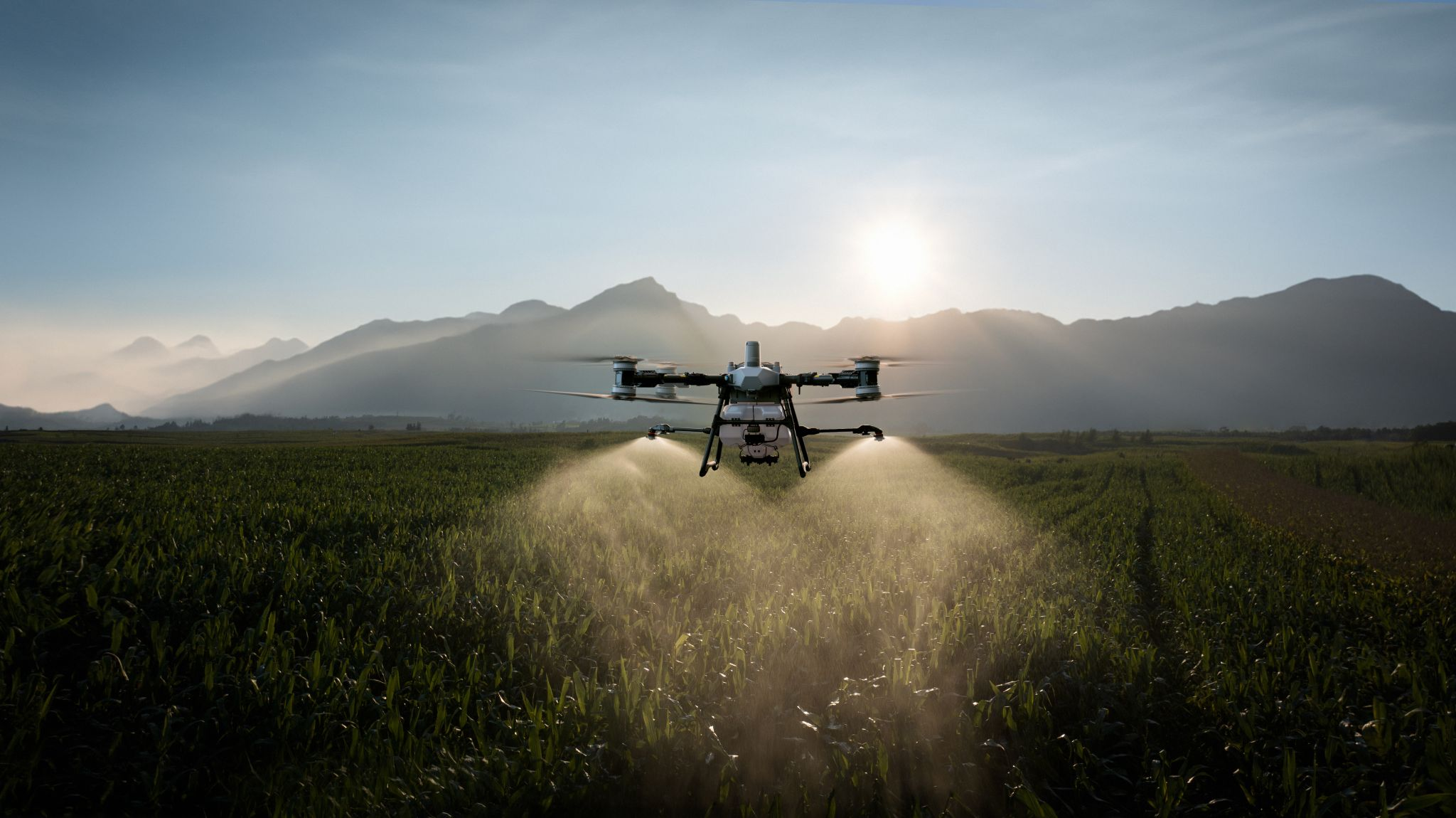
Setting off DJI agricultural drones Australia
Those Agras lineup marks a significant change in cutting-edge cultivation procedures. All state-of-the-art robotic flyers are built to effectively apply pesticides and other indispensable ingredients to crops. Employing focused innovations, the Agras series reduces employment charge, enhances results, and stimulates green cultivation approaches. Cultivators can now attain advanced detail and extent in their field operations operations thanks to this noteworthy progression.
Agrarian Aerial Vehicles: A Planter's Compendium to the DJI Agras Range
Such DJI Agras platform features a considerable enhancement in precision crop cultivation system, providing farm hands a potent asset for improving crop yields and curtailing operational costs. Such automated systems are expressly manufactured for distributing treatments, providing a expedited and accurate process than conventional ways. The Agras range contain various designs, each fitted for distinct field dimensions and botanical classes. Here is a compact outline:
- T lineup: Recognized for their slim build and conveyability, excellent for limited fields and complex terrain.
- P forms: Resilient machines created for broad areas, allowing augmented payload and spray output.
- V lineup: Fashioned for vine fields management, with dedicated features supporting operation in compact environments.
Essentially, melding a DJI Agras drone into your farm can generate meaningful profits in yield and sustainability. Sufficient guidance and compliance with territorial guidelines are paramount for dependable and effective operation.
Increasing Yields: How DJI Agras-like Distribution Flyers are Innovating Plantation
Entire cultivation market is embracing a dramatic progression, fueled by innovative tools. Distributing robotic flyers, especially versions like the DJI Agras, are transforming how producers handle their land. These devices provide unmatched fidelity in emitting crop protectants, limiting waste and enhancing yield growth. By automated flight, they operate over larger zones swiftly and with advanced exactness, bringing about better crop outputs and a more sustainable way of progressive farming strategies.
DJI crop drones vs. Classic Spraying: Operating Benefits and Natural Pros
Farmers are continuously reviewing robotic crop sprayers as an option to classical dispersion processes. The potency enhancements are significant; drones can navigate plots far quicker than personnel-controlled equipment, shrinking manpower costs. Moreover, specific distribution powers limit chemical overuse, leading to a lessened pollution level and facilitating more responsible agri-practices.
Broadening Drone Progress: Operational Deployments of the the T Series
Certain DJI Agras collection is quickly securing support across multiple markets, demonstrating its promise for changing agricultural processes. From specific treatment of plant protectants in vast croplands to skillfully assessing flora robustness, and improving returns, the Agras package confers a substantial upper hand over former methods. Cases display its employment in paddy production across Far East, olive cultivars groves in the continent, and oilseed crop planting in the continent, pointing out its pliability and multinational footprint.
This Future Regarding Farming: Analyzing Specific Capabilities Relating to Agricultural Crop Flyers
Such horticultural sector is poised for a significant change, mainly thanks to the rising use by way of automated machines. Particular modern gadgets offer peerless abilities, encompassing precision geospatial analysis inside farms, accurate deployment of fertilizers and herbicides, and complete monitoring of harvest robustness. In addition, they allow curtailing of labor fees and increase of overall harvests, finally reshaping the prospect of leading-edge farming strategies.
Leading-edge Plantation: Refining Plant Supplement Application with DJI Aerial nutrient spreaders
Cutting-edge fine plantation is transforming how growers direct chemical amendment distribution. The DJI Agras range of unmanned systems offers unparalleled fidelity and capability in fertilizer administration. Taking advantage of sophisticated sensor devices, these remote-controlled vehicles enable agriculturalists to spread nutrients precisely where called for, decreasing waste and heightening crop production. This mechanism not only increases farm proceeds but also encourages conservation-minded land management practices.
Reviewing a DJI Agras: Costs, Strengths, and Profitability for Agronomists
Buying a DJI Agras flying system constitutes a notable funding for several agriculturists, but the anticipated earnings can warrant the first purchase price. The complete cost includes the hardware securing payment, ongoing care expenses, and coaching investments. However, these costs are often recouped by improved efficiency, curtailed personnel disbursements, minimized toxin use, and raised crop. Ultimately, the earnings depends on factors like agricultural site area, plantation strain, usage, and environmental performance conditions, with detailed management and facts analysis critical for boosting gain and gaining a positive monetary consequence.
Surpassing Distribution : Enhancing the Use of DJI models in Contemporary Agricultural Practices
Despite originally recognized for the crop treatment abilities, the DJI Agras shows a larger potential amid modern plantation fields. Agriculturists are now studying how these adaptable devices can be deployed for tasks above and beyond simple plant nutrient broadcasting. This incorporates sharp seeding, deploying cover soil cover, and even primary crop condition monitoring via innovative sensor technology, introducing progress in efficient agriculture methods.