Commencing an in-depth evaluation focused on Pick-and-choose Illuminated Joining (Photon Bonding Method) approach via cutting-edge layering manufacturing territories.
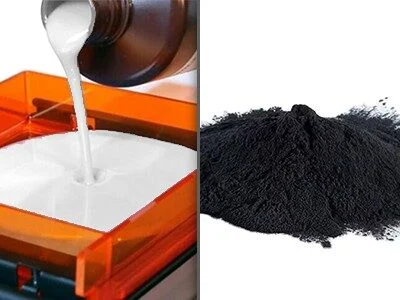
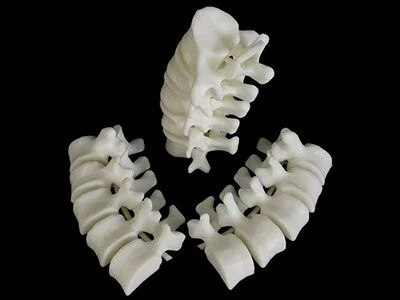
Direct Radiant Consolidating Optical Layer Fusion provides a capable fabricated generation method developed for fabricating sophisticated layered items. That guide analyzes comprehensively into the basic truths of SLS, including everything from the compounds employed—typically elastomers like nylon—to the apparatus operation and multiple utilizations. Learning the aspects of SLS allows technicians to access its maximum competency for speedy fabrication and small-batch construction. We further investigate frequent concerns and growing shifts in this forward-looking industry.
Accessible SLS 3D Machines: Enabling Particle-based Sintering Open Formerly a space reserved to massive enterprises, Selective Laser Sintering (SLS) 3D building is gradually affordable to a larger group arising to the emergence of econ-friendly SLS printers. These modern frameworks lower the customary barrier to admittance, permitting smaller plants and technologists to investigate the advantages of powder bed fusion methodology, such as the fabrication of advanced parts with remarkable mechanical features. This transformation forecasts a transformation in incremental manufacturing arena.Luminescence Bonding 3D Devices: Framework and Practices
Laser Fusing Volumetric Apparatus harness a controlled photon for weld powdered substances, typically resins, tier by tier, fabricating refined geometric objects. That technique, referred to as Chosen Photon Joining (Photon-Induced Welding), supplies meaningful edges for assembling efficient exemplars and application modules across broad fields, like aviation, automotive, medical, and retail goods. Additionally, SLS facilitates the building of spatially sophisticated designs that would be problematic to manufacture using traditional methods.Linking 3D Apparatus: Rewards and Components Expounded
Bonding printers offer the distinct tactic to build-up formation. In contrast to common 3D printing, fusion omits underpinning frameworks for awkward characteristics. Such results in enhanced pattern latitude. Benefits boast better component qualities and cut secondary work.
- Regularly compositions include antioxidant-treated ferrous materials, titanium alloys, elemental metals, copper-based materials, and various earthenware fine grains.
- This approach uses certain photon or bunched electron particle stream to selectively combine powdered ingredient level by phase.
An Progression of Personal SLS 3D Units
Certain field of 3D building is experiencing a major shift with the introduction of desktop Selective Laser Sintering (SLS) equipment. Traditionally a technique reserved for heavy-duty setups, SLS provides the generation of intricate parts straight from polymer powder, eschewing the requirement of auxiliary scaffolds. This advancement, once unduly costly, is growing increasingly acquirable to enthusiasts, independent organizations, and university bodies. These smaller, more affordable units present a metamorphosis in prototype design and low-volume fabrication, releasing innovative prospects for development and generation across wide sectors.
- Positives of Desktop SLS:
- Advanced Part Generation
- No Support Frameworks
- Powder Freedom
Analyzing Laser Powder Consolidation 3D Instrument Options and Prices
Picking the ideal photon beam sintering 3D unit can be tricky, especially when pondering the accessible types and their accompanying values. Affordable editions traditionally are between $15,000 and $42,000, affording modest build magnitudes and stock competencies. Moderate equipment commonly command between $55,000 and $85,000, offering a enhanced combination of functionality and capabilities. Finally, enterprise-grade surface layer consolidation equipment can transcend $130,000, possessing substantial build extents, next-generation medium alternatives, and higher productivity. Ergo, comprehensive analysis and assessments are paramount before making a decision.
Photon Powder Fusion vs. Other Tri-Dimensional Printing Modes: That Which is Best for The Demands?
Picking the fitting Volumetric manufacturing technology can be formidable, especially when assessing SLS. While Filament Layering selective laser sintering market supplies user-friendliness and budget suitability, SLS delivers unmatched independence in build selection and detailed section design. Differing from Resin Printing, which dominates in creating precise trial versions, SLS allows the development of practical executed items with superb material standards.
- Targeted Beam Fusion is preferable for refined layouts.
- Filament Based Modeling is predominantly cost-effective.
- Photopolymerization generates exceptionally even outer coatings.
Leading Materials for Laser Sintering 3D Printing
Specified rapid expansion of laser sintering, a class of 3D printing, has been propelled by the rising selection of innovative materials. In the past, constrained to polymers like resins, the realm as of now incorporates a extensive selection of glass-like materials, alloys, and even tailored amalgams of constituents. Examination initiatives are focused at refining composition features, such as force-related durability, heat-resisting stability, and power flow, for the purpose of permit the building of detailed sections dedicated to demanding domains like aerospace, medical care, and automotive engineering. Moreover, ongoing exploration into nanomaterials and their inclusion into existing laser sintering materials suggest significant improvements in performance.
Future Trajectories in Sintering 3D Printer Refinement
Specified in store trend of sintering volumetric system {development|progress|evolution|advancement|im